

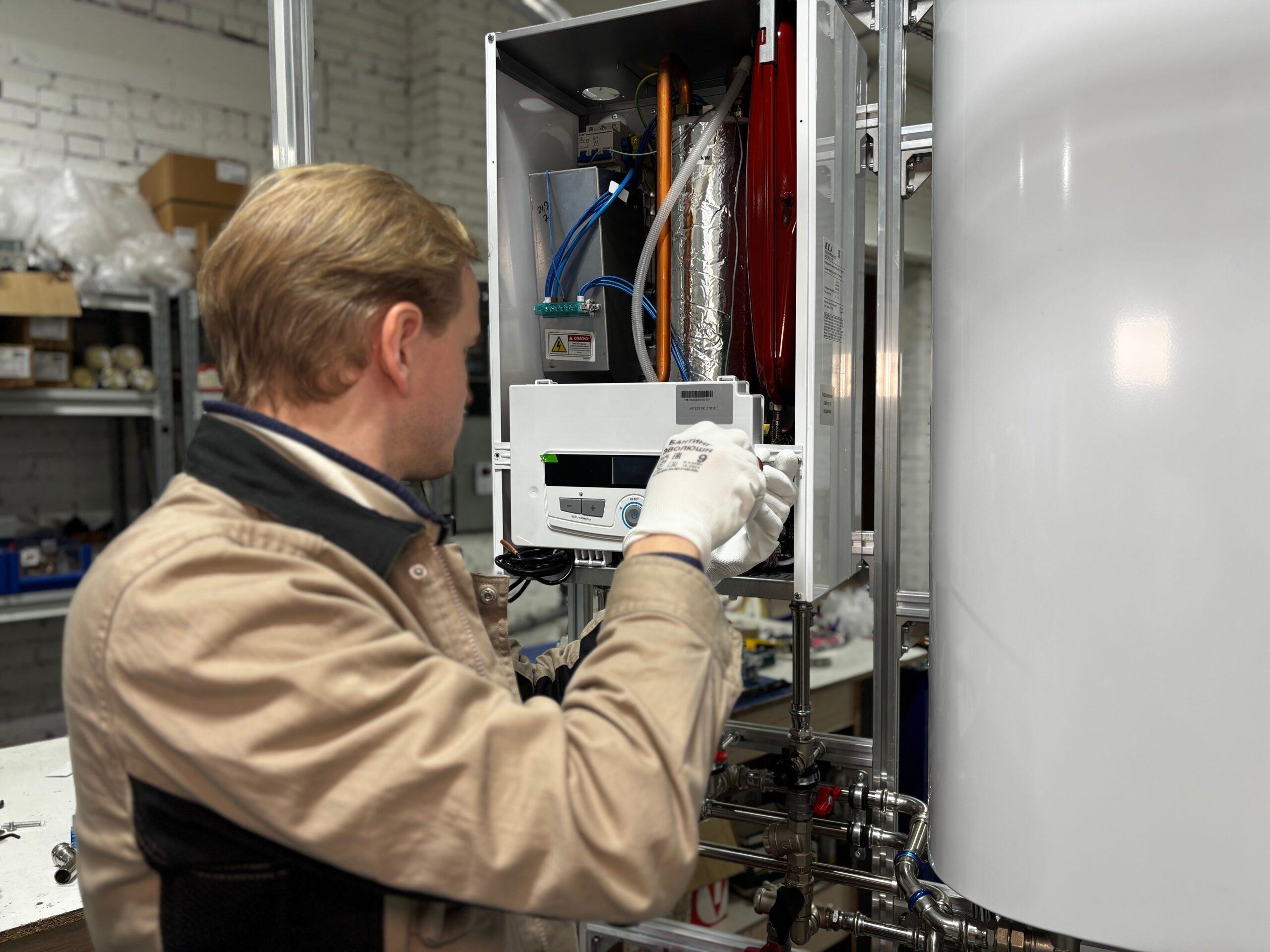
A water heater is one of those household appliances that is easy to ignore when everything appears to be working normally. You turn on the shower, receive hot water, and move on with your day. However, warning signs can develop long before a water heater stops working completely.
A dripping connection, unusual noise, inconsistent water temperature, or discolored water may seem like minor inconveniences. Delaying repairs can allow a small issue to develop into a larger problem. Addressing water heater concerns at the right time can help protect the appliance, reduce disruption, and potentially prevent more costly damage.
Small Problems Can Become Larger Repairs
Water heater problems do not always begin with a dramatic failure. Components can gradually wear down, connections can loosen, and mineral deposits can accumulate inside the tank. If these issues are ignored, they may place additional strain on other parts of the system.
For example, a small leak may eventually become more noticeable, while sediment buildup can affect heating performance. Getting a problem assessed when it first appears gives you an opportunity to address its cause before it creates additional complications.
This does not mean every unusual symptom requires an immediate replacement. In some cases, a qualified technician may be able to repair the affected component and restore normal operation.
Prevent Water Damage
One of the most important reasons to respond promptly to a leaking water heater is the potential for water damage. Even a slow leak can eventually affect flooring, walls, cabinets, or other nearby materials.
The risk can be greater when a water heater is installed in an enclosed area where a leak may not be noticed quickly. Water that remains undetected can create additional moisture-related problems.
If you notice water around the base of the tank, dripping from connections, or other signs of leakage, have the system evaluated rather than assuming the problem will resolve on its own.
Maintain Consistent Hot Water
Changes in water temperature can be an early indication that a water heater is not operating properly. You may notice that the water takes longer to heat, becomes lukewarm sooner than expected, or fluctuates during use.
These symptoms can have different causes depending on the type and condition of the water heater. A professional assessment can help determine whether a component needs adjustment, cleaning, or replacement.
Addressing the issue early can also make daily routines more predictable. Consistent hot water matters for showers, cleaning, laundry, and other household tasks.
Improve Heating Efficiency
Over time, sediment and mineral deposits can accumulate inside a water heater. These deposits may interfere with heat transfer and make the system work harder to heat water.
A water heater that is struggling to operate efficiently may take longer to provide hot water or require more energy to maintain the desired temperature.
Timely maintenance and repairs can help keep the system operating as intended. A technician can determine whether buildup, a worn component, or another issue is affecting performance.
Pay Attention to Unusual Sounds
Popping, rumbling, cracking, or other unfamiliar sounds coming from a water heater should not automatically be dismissed as normal. In tank-style systems, unusual noises can sometimes be associated with sediment collecting at the bottom of the tank.
As water is heated around accumulated deposits, the system may produce sounds that were not present when it was operating normally.
The sound itself does not necessarily identify the problem, so it is better to have the water heater assessed rather than attempting to diagnose the cause based solely on noise.
Avoid Unexpected Interruptions
A water heater that has been showing warning signs may eventually stop providing hot water altogether. Waiting until a complete breakdown occurs can leave you dealing with an urgent repair at an inconvenient time.
Timely attention gives you more flexibility. You may be able to schedule a service appointment rather than responding to an emergency, and you can discuss repair options before the problem becomes more disruptive.
Planning ahead can be particularly helpful for households that rely heavily on hot water or have limited alternatives when the system is unavailable.
Know When Professional Help Is Needed
Some water heater concerns should not be treated as do-it-yourself projects. Water heaters involve electrical connections, gas systems, pressurized water, and high temperatures depending on the model.
If you notice significant leaking, a strong gas odor, electrical problems, or other potentially dangerous conditions, avoid attempting repairs yourself. Follow the manufacturer’s safety guidance and contact an appropriately qualified professional.
A technician can inspect the system, identify the source of the problem, and explain whether repair or replacement makes more sense.
Consider the Age and Condition of the Unit
The timing of a repair can also depend on the water heater’s age and overall condition. A relatively new unit with an isolated component failure may be a good candidate for repair.
An older water heater with recurring problems may require a different conversation. Repeated repairs can become less practical if multiple components are deteriorating.
When evaluating your options, consider the repair cost, the unit’s condition, its expected remaining service life, and the likelihood of additional problems. A professional can help you weigh these factors instead of automatically recommending one solution.
Respond to Warning Signs Early
Knowing what to watch for can help homeowners recognize when a water heater needs attention. Leaks, unusual noises, inconsistent temperatures, discolored water, and reduced hot water availability are all reasons to investigate further.
The right time for water heater repair is generally before a minor issue becomes a major disruption. Prompt attention can help limit damage, maintain performance, and give you more options for addressing the problem.
Rather than waiting for the system to fail completely, pay attention to changes in how it operates and seek professional guidance when something seems unusual. A timely repair can help keep an essential household system working reliably when you need it most.