

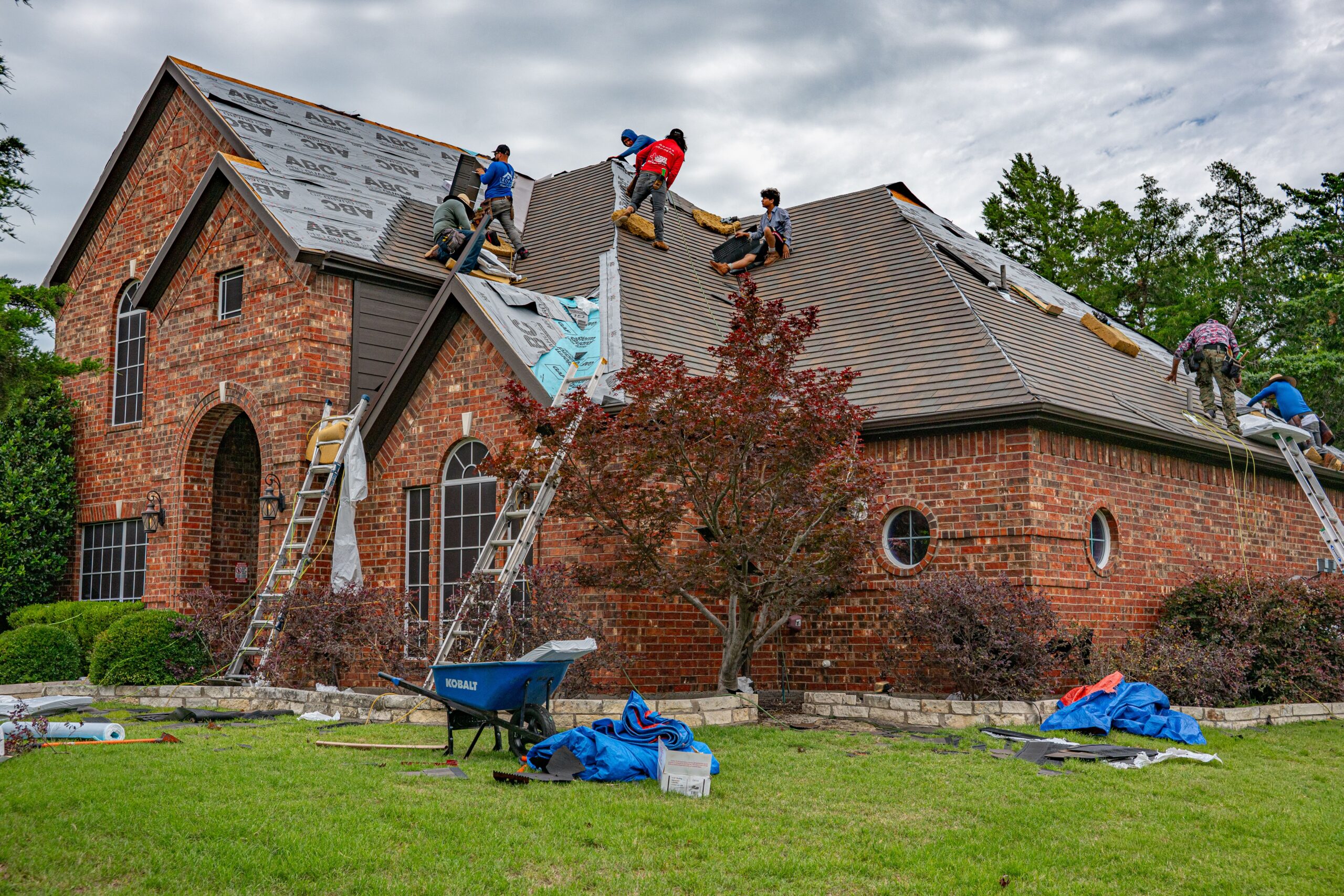
Choosing a roofing company is an important decision for any homeowner, but it is easy to focus on the obvious factors, such as price and availability. A better approach is to look at how a contractor plans, communicates, and prepares for the less predictable parts of a roofing project.
A roof has to work as part of the entire house. Its condition can affect moisture control, ventilation, energy efficiency, and the protection of the structure underneath. Because of this, the company handling the work should be able to look beyond the visible roofing material and understand how the different components work together.
Taking time to evaluate a contractor before work begins can help you avoid rushed decisions and find a company that is suited to your home’s specific requirements.
Consider How Thoroughly the Roof Is Inspected
A roofing project should begin with more than a quick glance from the ground. An inspection can reveal issues that may not be obvious to a homeowner, including damaged decking, deteriorated flashing, poor drainage, or areas where previous repairs have failed.
Ask potential contractors what their inspection includes. A thorough assessment should help establish the condition of the existing roof and identify concerns that could affect the proposed work.
You can also ask for an explanation of the findings. A contractor who takes the time to show you where a problem exists and why it matters can make the decision-making process much easier.
Ask How the Contractor Plans for Your Home’s Design
No two houses are exactly alike. Roof pitch, shape, attic configuration, skylights, chimneys, dormers, and other architectural features can influence how roofing work should be approached.
A contractor should account for these characteristics rather than treating every project as the same. Complicated rooflines, for example, may require additional planning around areas where different sections meet.
When discussing your project, ask how the home’s existing design affects the recommended roofing solution. This can reveal whether a company is considering your property specifically or simply offering a standard package.
Find Out How Unexpected Damage Is Handled
Roofing work can uncover problems that were hidden beneath the existing materials. Rot, water damage, or weakened decking may not be visible during an initial exterior inspection.
Before hiring a contractor, ask what happens if unexpected damage is discovered. Will the work stop while you are contacted? Will you receive photographs or an updated estimate? Knowing the procedure in advance can prevent confusion when additional work becomes necessary.
A clear process for handling surprises can also help you maintain control over your budget.
Look at the Company’s Approach to Cleanup
Roof replacement can generate a substantial amount of discarded material. Nails, old shingles, packaging, and other debris can end up around the property if cleanup is not handled carefully.
Ask how the contractor protects landscaping, outdoor areas, driveways, and other parts of the property during the project. Find out whether cleanup and disposal are included in the estimate.
It is also worth asking how the crew checks the property after completing the work. A careful final cleanup can reduce the chance of leftover materials creating problems after the contractors leave.
Discuss Property Protection Before Work Begins
Roofing crews need to move materials and equipment around your property. Depending on the project, this may affect driveways, walkways, gardens, outdoor furniture, or other areas.
Ask what protective measures the company uses. Contractors may have different procedures for protecting surfaces and minimizing disruption.
If there are specific areas you are particularly concerned about, point them out before work starts. Clear communication can help the crew account for these concerns during planning.
Pay Attention to Communication Before Hiring
The way a roofing company communicates before a project begins can tell you a great deal about what to expect later.
Notice whether the contractor arrives when promised, answers questions directly, provides written information, and follows up when they say they will. If communication is already difficult during the estimating stage, managing a larger project could become frustrating.
You should also have a clear point of contact. Knowing who to reach when you have a question can make the project easier to manage.
Homeowners researching potential contractors may encounter companies such as JW Roofing during their search. The more useful question is not simply whether a company is available, but whether its approach, communication style, and project process align with your expectations.
Ask About Materials Without Assuming More Is Better
Roofing materials vary in performance, appearance, maintenance requirements, and cost. A more expensive material is not automatically the right choice for every home.
Ask why the contractor recommends a particular product and how it suits your property. You can also ask about the expected maintenance, manufacturer specifications, and any installation requirements.
Understanding the reasoning behind a recommendation allows you to make a more informed choice rather than selecting materials based solely on appearance or price.
Understand How Weather Could Affect the Schedule
Roofing depends heavily on suitable working conditions. Rain, strong winds, extreme temperatures, and other weather conditions can affect when certain work can safely take place.
Ask how the contractor plans around weather and what happens if conditions cause delays. A realistic schedule should account for the possibility that work may need to be postponed.
This is particularly important if you are planning the project around travel, holidays, home events, or other commitments.
Think About What Happens After Installation
Your relationship with a roofing company does not necessarily end when the final materials are installed. Understanding what happens after completion can be just as important as understanding the installation itself.
Ask whether the company provides a final inspection, documentation of completed work, maintenance recommendations, or information about warranties. Find out who you should contact if you notice an issue after the project is finished.
Keeping records of the materials used, project dates, invoices, warranties, and repairs can also make future maintenance easier.
Choose a Contractor With a Complete Approach
The right roofing company should offer more than a competitive estimate. It should demonstrate careful planning, transparent communication, attention to property protection, and an understanding of how the roofing system fits into the rest of the home.
Before making a decision, compare contractors based on the questions they ask, the explanations they provide, and the details included in their proposals. A company that takes time to understand your home and explain its recommendations can give you greater confidence in the work.
A thoughtful selection process may take longer at the beginning, but it can help set the stage for a roofing project that is organized, transparent, and better suited to your home’s long-term needs.