

Buying a new air conditioner can feel like the biggest decision in improving your home’s comfort. You compare models, consider features, and look at operating costs before choosing equipment that appears suitable for your space. Yet there is another decision that can have just as much influence on the result: how the system is installed.
A well-planned installation does more than connect an air conditioner and turn it on. It establishes the conditions the equipment needs to operate correctly. From choosing the right location to checking airflow and electrical requirements, each detail can affect comfort, reliability, and future maintenance.
Start With the Home, Not Just the Equipment
Every home has different cooling requirements. The number of rooms, insulation levels, windows, ceiling heights, sunlight exposure, and layout can all influence how much cooling is needed.
A good installation process begins with evaluating these conditions. Rather than selecting a system simply because it has a certain capacity, the installer should consider how the home gains and loses heat throughout the day.
This approach can help prevent a common problem: choosing equipment that does not match the property’s actual needs. The right system should be selected based on the home’s characteristics and expected cooling demands.
Think About Where the Equipment Will Go
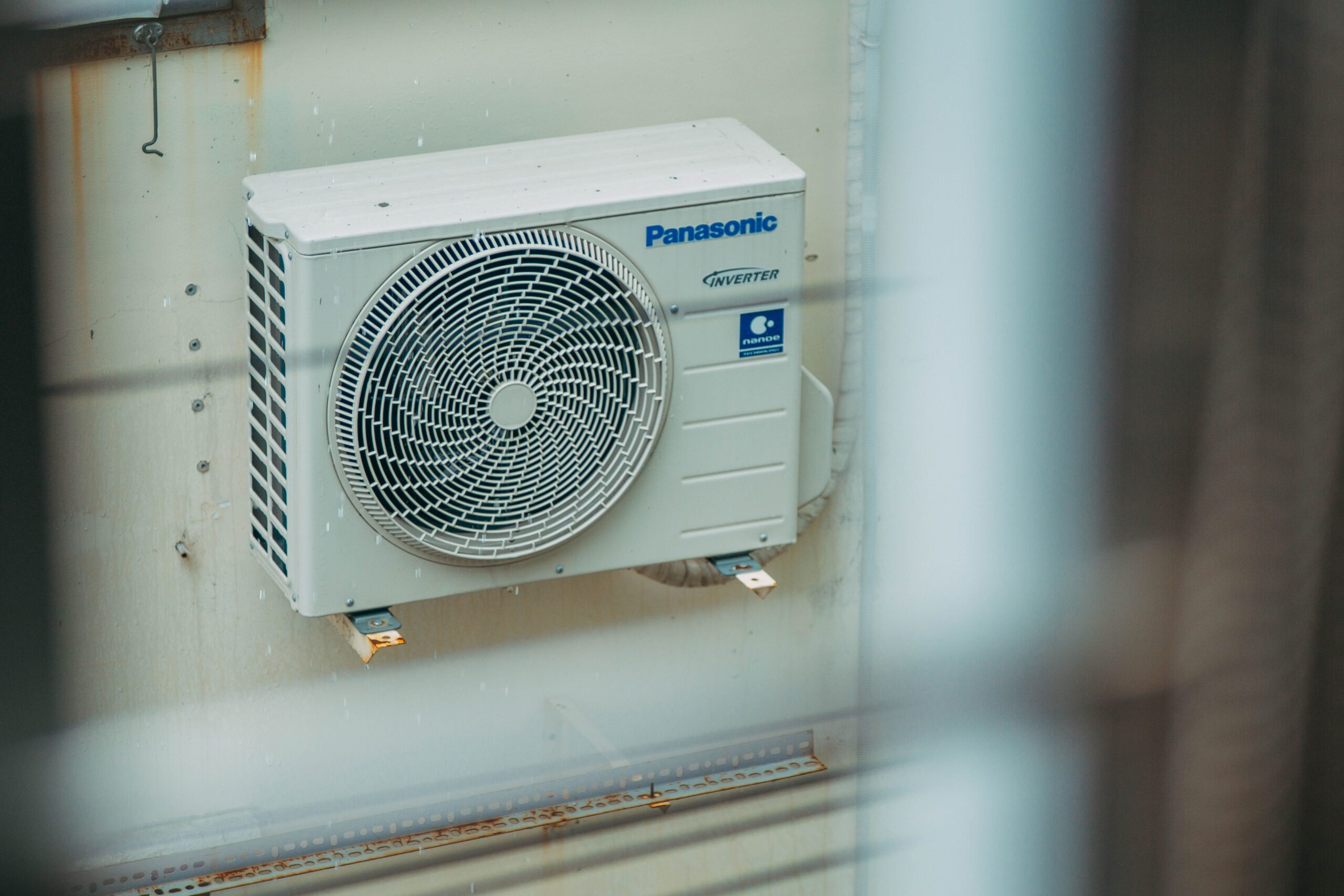
Equipment placement is another detail that can easily be overlooked. An indoor unit needs to distribute conditioned air effectively, while an outdoor unit requires enough space for airflow and service access.
The location can also affect noise, appearance, and future maintenance. Placing equipment where technicians can reach it without unnecessary difficulty can make routine servicing more convenient.
Outdoor units may also benefit from protection against certain environmental conditions, although they still need adequate clearance. An installer should balance accessibility, airflow, manufacturer requirements, and the physical characteristics of the property.
Check the Electrical Requirements
Installing an air conditioner involves more than connecting the cooling components. The electrical system must be able to support the equipment safely.
Before installation, the contractor should verify that the available electrical service, circuit, wiring, and protective devices are appropriate for the selected system. Older homes may require additional electrical work before new equipment can be installed.
Addressing these requirements beforehand can reduce the risk of delays and help ensure the system is connected according to applicable safety standards.
Pay Attention to Line Set Installation
For systems that use an indoor and outdoor unit, the refrigerant lines connecting the two components need to be installed carefully. Their length, routing, insulation, and connections can affect system operation.
Long or poorly routed lines may create challenges that need to be accounted for during installation. Insulation is also important because it helps limit unwanted heat transfer along the refrigerant lines.
A professional installer should follow the equipment manufacturer’s specifications rather than treating every installation as identical.
Consider Condensation Management
Air conditioning naturally removes moisture from indoor air. That moisture collects as condensate and needs a reliable path away from the equipment.
The drainage arrangement should be planned according to where the indoor unit is located. Poor drainage can result in standing water, leaks, or moisture around the system.
Ask how condensate will be managed before installation begins. Understanding this part of the project can help homeowners spot potential problems before they become visible.
Don’t Ignore Air Distribution
A powerful air conditioner cannot compensate for poor air distribution throughout the home. If conditioned air cannot reach the intended areas effectively, certain rooms may remain uncomfortable.
Existing ductwork should be inspected when applicable. Leaks, restrictions, damaged sections, or unsuitable duct sizing can influence how much conditioned air actually reaches different rooms.
For ductless systems, indoor unit placement becomes particularly important because each unit needs to serve its designated area effectively.
Proper Sealing Can Make a Difference
Gaps around connections, ducts, or other components can allow conditioned air to escape or unwanted air to enter. These losses can reduce the effectiveness of the cooling system.
During installation, contractors should pay attention to sealing where appropriate. This is particularly relevant for ducted systems, where poorly sealed connections can undermine otherwise good equipment.
The goal is to make sure the cooled air travels where it is supposed to go rather than being lost along the way.
Make Sure the System Is Tested
Installation should not be considered complete simply because the air conditioner turns on.
The system should be checked to confirm that it starts, runs, cools, drains, and operates as expected. The installer may also verify airflow, electrical performance, refrigerant-related conditions, and other operating characteristics depending on the equipment.
Ask what testing is performed before the technician leaves. A proper commissioning process can help identify installation problems while the contractor is still on site.
Think About Noise From the Beginning
An air conditioner can produce some operating noise, but poor placement or installation can make it more noticeable than necessary.
Vibration, mounting, equipment location, and nearby surfaces can influence how sound travels through the home. Discussing noise concerns before installation can help determine a more suitable location.
This can be especially important for bedrooms, home offices, and other areas where quiet conditions matter.
Ask About Future Service Access
A new system may work perfectly when installed, but it will still require maintenance over its service life. Filters, coils, electrical components, drainage systems, and other parts may eventually need inspection or cleaning.
An installation that leaves adequate access around serviceable components can make future maintenance easier. Ask the installer where routine service will be performed and whether any parts of the system will be difficult to reach.
Thinking about future access during installation can save inconvenience later.
Choose a Process, Not Just a Product
The best air conditioner for your home can still underperform if the installation is rushed or poorly planned. A successful project depends on more than the equipment itself.
When comparing installers, ask how they assess the home, determine equipment requirements, plan placement, handle electrical and drainage needs, and test the finished system. These questions can reveal how much attention a contractor gives to the details that are easy to overlook.
Quality ac installation is ultimately about creating the right conditions for the equipment to do its job. By considering the home’s layout, electrical system, airflow, drainage, equipment placement, and future maintenance needs, homeowners can make a more informed investment in indoor comfort and long-term system performance.