

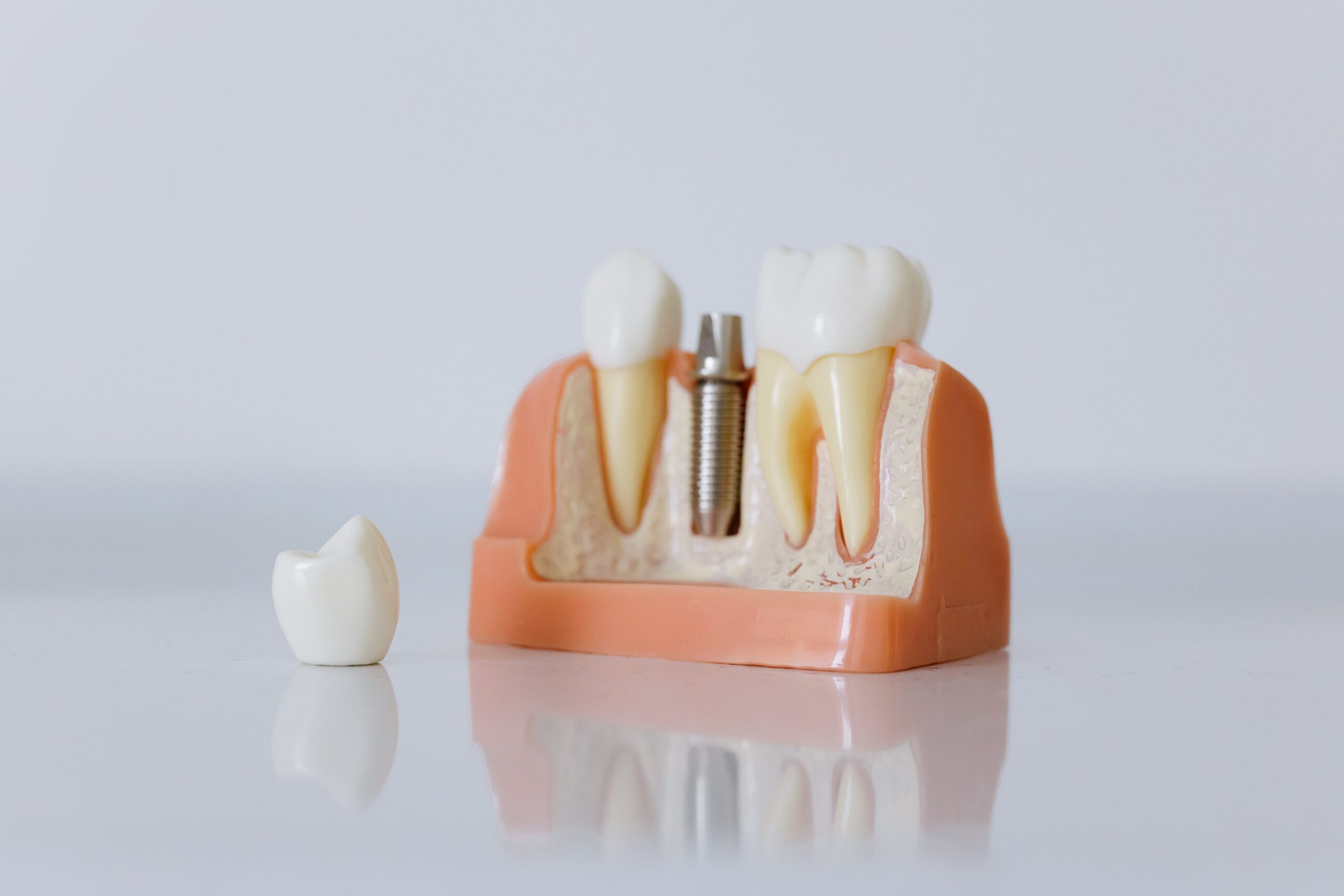
Dental implants have become increasingly popular in modern dentistry, giving people another option for replacing teeth that have been lost or severely damaged. While dentures and bridges remain useful treatments, implants offer a different approach because they replace the missing tooth’s root as well as the visible portion of the tooth.
Calling dental implants the “newest recommendation” can be misleading because they have been used for many years. However, advances in implant dentistry, treatment planning and digital technology have helped make them an increasingly established option for appropriate patients. The American Dental Association notes that implants are one of several options available for restoring oral function and emphasizes that treatment should be based on an individual dental examination and diagnosis.
They Address More Than the Visible Tooth
One reason dental implants receive so much attention is their structure. An implant is placed into the jawbone and serves as an artificial tooth root. Once the implant has integrated with the surrounding bone, a connector and replacement tooth can be attached to it.
This differs from some traditional replacement options that primarily replace the visible portion of a missing tooth.
Replacing the root can be particularly important when considering the long-term structure of the mouth. After tooth loss, the jawbone in that area can gradually change. An implant provides a foundation within the bone that can support the replacement restoration.
They Can Provide a Stable Replacement
Stability is another reason implants have become an appealing option. Because the implant is anchored in the jaw, the completed restoration is designed to remain securely in place.
This can be useful when eating and speaking. Removable dentures can sometimes move or feel less secure, particularly when they do not fit properly. Dental implants can provide a fixed foundation that more closely resembles the stability of a natural tooth. Mayo Clinic notes that the major benefit of implants is the solid support they provide for replacement teeth after the bone heals around the implant.
The result can make everyday activities feel more predictable.
They Can Help Restore Chewing Function
Losing a tooth can affect how you chew. Some people naturally begin favoring one side of their mouth or avoid foods that are difficult to manage with a missing tooth.
A properly placed implant-supported restoration can restore a chewing surface in the space where the tooth was lost. This may allow patients to return to a more balanced eating routine once treatment and healing are complete.
However, patients should follow their dentist’s instructions during recovery. The implant needs time to integrate with the jawbone before it can provide its full intended function.
They Can Improve the Appearance of a Smile
The cosmetic side of tooth replacement is another factor behind the popularity of implants. A missing tooth can affect the appearance of the smile, especially when the gap is toward the front of the mouth.
The crown attached to an implant can be designed to complement the surrounding teeth. Dentists consider factors such as tooth shape, size and shade when planning the restoration.
While results vary from patient to patient, the goal is generally to create a replacement that fits naturally within the existing smile.
They Can Help Maintain the Space Between Teeth
A missing tooth leaves an open space that can affect the surrounding teeth. Nearby teeth may gradually shift toward the gap, potentially changing the arrangement of the dental arch.
Replacing the missing tooth can help maintain the space and restore contact within the bite. This is one reason dentists consider the overall position of the teeth when developing an implant treatment plan.
An implant is not simply about filling an empty space. Its placement can be planned in relation to the neighboring teeth and the way the upper and lower jaws come together.
Technology Has Changed the Treatment Process
Modern dental technology has also contributed to the growing interest in implants. Dental examinations may involve digital X-rays, three-dimensional imaging and computer-assisted treatment planning.
These tools can help dental professionals evaluate the jawbone and surrounding structures before treatment. Mayo Clinic notes that implant planning can involve dental X-rays and 3D images, along with an assessment of the jawbone and remaining teeth.
Digital workflows can also influence how restorations are designed and fabricated. The ADA reports that advances in digital fabrication are changing how certain dental restorations are delivered.
They Can Be Used for Different Types of Tooth Loss
Dental implants are not limited to replacing a single missing tooth. Depending on a patient’s circumstances, they may also be incorporated into implant-supported bridges or other restorations.
For people missing several teeth, implants can provide foundations for a larger restoration. In some cases, implant-supported full-arch solutions may also be considered.
The appropriate design depends on the number of missing teeth, available bone, gum health, bite and other individual factors.
They Can Be Designed for Long-Term Use
Another reason implants receive attention is their potential durability. Unlike natural teeth, implant materials themselves cannot develop tooth decay. However, that does not mean an implant is maintenance-free.
The surrounding gums and bone still need to remain healthy, and the attached restoration can experience normal wear. Regular dental appointments and good oral hygiene are important for monitoring the implant and protecting the rest of the mouth. Mayo Clinic specifically recommends keeping implants, artificial teeth and gum tissue clean and attending regular dental checkups.
Long-term success therefore depends partly on what happens after the procedure.
They Are Not Automatically Right for Everyone
Despite their advantages, dental implants should not be treated as the best solution for every person with tooth loss.
A dentist needs to evaluate factors such as jawbone condition, gum health, remaining teeth and overall health before recommending treatment. Some patients may need additional procedures, such as bone grafting, before an implant can be placed.
The procedure also requires patience because bone healing and integration can take several months. Like any surgical treatment, implants also carry potential risks, including infection, damage to surrounding structures and nerve-related complications.
The Recommendation Should Be Personalized
Dental implants are popular today because they offer a stable way to replace missing teeth while addressing both the visible tooth and its root-like foundation. Improvements in planning, materials and digital dentistry have also expanded the ways dental professionals can approach implant treatment. When researching modern tooth replacement options, you may encounter dental practices such as Restore Dental Wellness as examples within the field.
Still, popularity should not be the deciding factor. The ADA recommends that patients receive a comprehensive examination and discuss the available treatment options based on their diagnosis, oral health, needs and preferences.
If you are considering replacing a missing tooth, talk with a qualified dental professional about whether an implant, bridge, denture or another option makes the most sense for your situation. The best recommendation is ultimately the one that supports your individual oral health and long-term needs.