

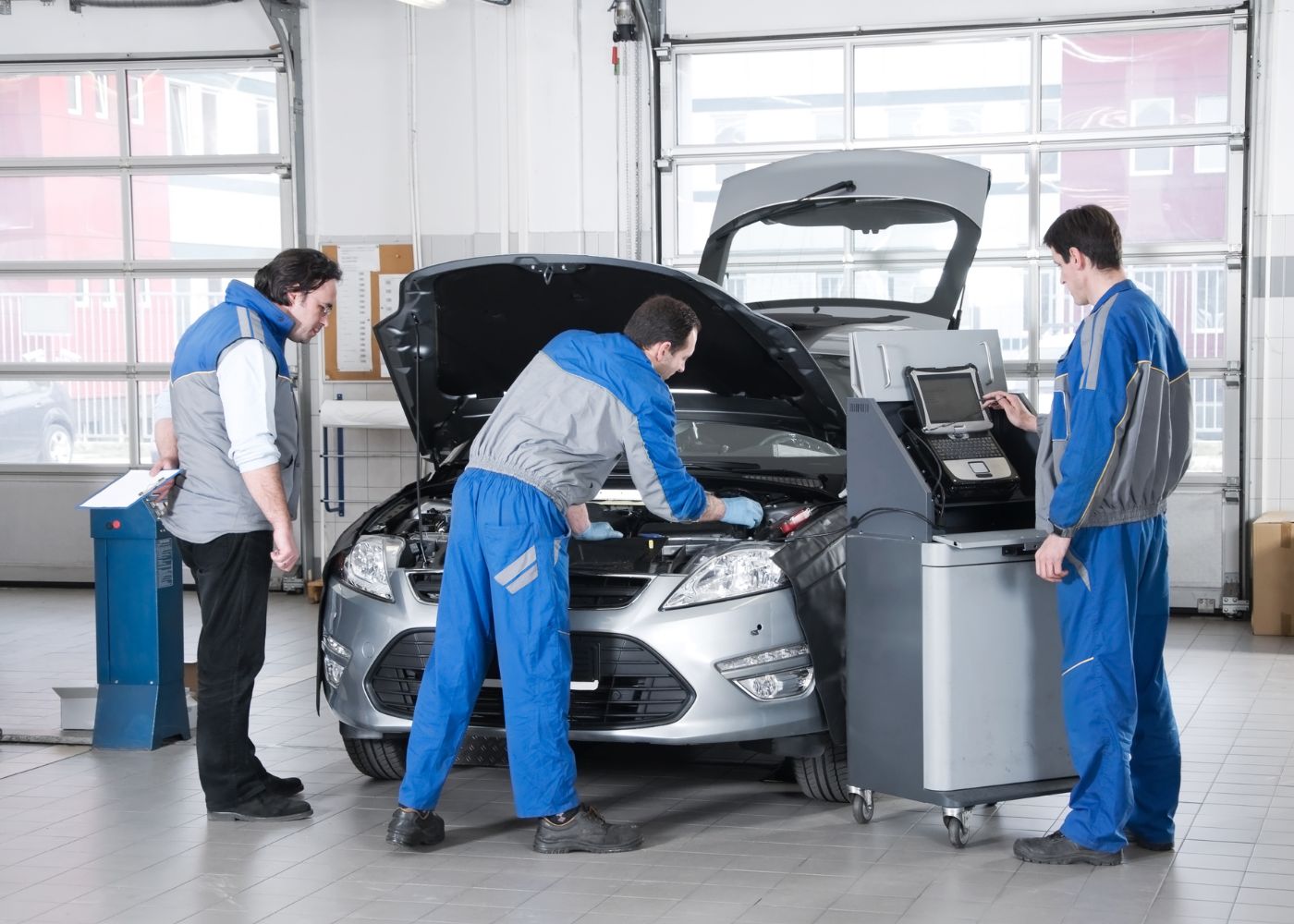
Drivers are keeping their cars longer than they used to. New vehicle prices, interest rates, and a used market that never quite settled have all pushed people toward a simpler conclusion. The car in the driveway is worth keeping.
That decision turns maintenance into something more interesting than a chore. Every year you add to a vehicle you already own is a year without a payment, and the work required to get those years is neither complicated nor expensive.
Getting More Years Out of What You Own
The math behind keeping a car is straightforward once you look at it honestly.
A vehicle that is maintained well can run far longer than most owners expect, and the annual cost of that maintenance rarely approaches what a replacement would cost in a single month.
What ends most vehicles early is not age. It is deferred work that turned into damage, usually something small that was easy to ignore until it was not.
Watching the Battery Through Florida Heat
Batteries fail differently here than in cold climates, and drivers who moved from up north are often caught out by it.
Heat is harder on a battery than cold is. Sustained high temperatures accelerate the internal chemistry and evaporate fluid, which shortens service life considerably. The cruel part is that a heat-damaged battery usually keeps working normally until the morning it simply does not.
That is why testing matters more than waiting for symptoms. A load test takes a few minutes and tells you whether you are living on borrowed time, which is far better than finding out in a parking lot.
Charging system checks belong in the same visit, since an alternator drifting out of range will quietly ruin a healthy battery.
Caring for Tires on Hot Pavement
Florida asphalt in summer is punishing, and tires take the worst of it.
Heat accelerates the aging of rubber, and underinflation makes it worse by increasing flex and building more heat inside the tire. Checking pressure regularly is the single cheapest habit available to a driver, and almost nobody does it often enough.
Rotation and alignment protect the investment. Uneven wear from an alignment problem can cost you most of a tire’s usable life, and the driver rarely notices until the tread is already gone on one edge.
Trusted local shops such as St. Lucie Battery & Tire, which has served Port St. Lucie drivers with tires and full auto repair for years, tend to catch these patterns early because they see the same vehicles repeatedly and notice what changed since the last visit.
Age matters independently of tread depth as well. A tire with plenty of tread left can still be too old for safe service in this climate, which is worth asking about on an older set.
Checking Brakes Before They Announce Themselves
Brakes give warning, and the warnings are easy to dismiss.
A soft pedal, a slight pull to one side, a faint grinding at low speed, and a vibration that arrives only under firm braking all indicate something worth inspecting. Caught early, most of these are routine. Ignored, pads wear into rotors and a modest job becomes an expensive one.
Humidity here adds a factor drivers elsewhere worry about less, since moisture accelerates corrosion on components that sit exposed underneath the vehicle.
Keeping Oil and Fluids on Schedule
Oil remains the foundation of everything else.
It lubricates, carries heat away from moving parts, and holds contaminants in suspension. As it breaks down it does all three less effectively, and an engine running on tired oil wears in ways that cannot be undone.
The other fluids deserve attention too. Coolant guards against overheating in a climate that tests cooling systems constantly, brake fluid absorbs moisture over time, and transmission fluid protects one of the costliest components in the vehicle.
Building a Relationship With One Shop
The final piece is less about the vehicle than about who works on it.
A shop that knows your car has context no single visit provides. They remember what was flagged last time, what you decided to wait on, and how the vehicle sounded the last time it came in.
That continuity is what turns maintenance from a series of transactions into an actual plan, which is exactly what keeping a car for the long haul requires.