

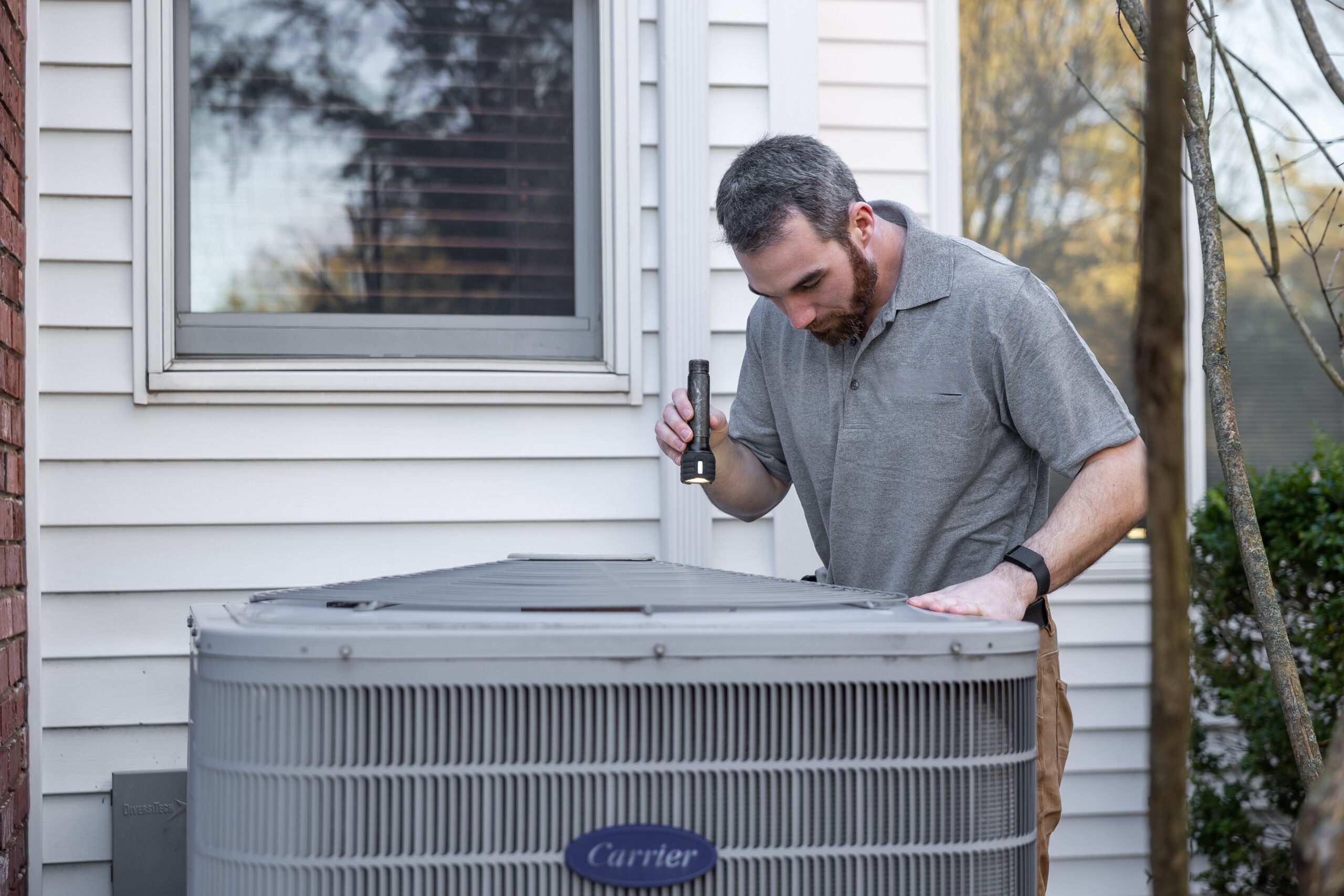
Your home’s heating and cooling system works behind the scenes through much of the year, keeping indoor temperatures comfortable regardless of what is happening outside. Because HVAC equipment can run for thousands of hours, regular maintenance is important for keeping the system operating properly. But how often should a homeowner actually schedule an HVAC service?
There is no single schedule that works perfectly for every household. The ideal frequency can depend on the age of the equipment, how heavily it is used, the type of system installed and the conditions around the property. Still, having a routine maintenance plan can help homeowners identify potential problems before they become larger concerns.
Plan for Service at Least Once a Year
For many homes, an annual professional inspection is a reasonable starting point. A technician can examine the system, identify signs of wear and make sure important components are functioning as expected.
If your home uses both heating and cooling equipment, scheduling maintenance before the season when each system will be used most heavily can be beneficial. Some homeowners choose a spring appointment for the air conditioning system and a fall appointment for heating equipment.
The right schedule ultimately depends on the specific HVAC system and recommendations from the manufacturer or qualified technician.
Consider Twice-Yearly Maintenance for Heavy Use
Some households may benefit from professional service more frequently than once a year. If your HVAC system operates almost continuously during hot or cold seasons, it experiences greater wear than a system used occasionally.
Homes with older equipment may also require closer attention. Components can naturally deteriorate over time, and small issues may become more noticeable as the system ages.
If your system provides both heating and cooling, having it checked before each major season can help ensure it is prepared for the demands ahead.
Pay Attention to the Age of Your System
The age of your HVAC equipment can influence how often an hvac service is worthwhile. Newer systems may operate efficiently with routine manufacturer-recommended maintenance, while older equipment may require more frequent inspections.
Older systems can develop problems involving electrical connections, motors, belts, refrigerant-related components or other parts. Regular inspections can help identify deterioration before it leads to an unexpected breakdown.
If your equipment is approaching the end of its expected service life, ask your HVAC professional whether continued maintenance or eventual replacement makes more sense for your circumstances.
Do Not Ignore Unusual Sounds
Your HVAC system will make some normal operating sounds, but sudden or unusual noises should not automatically be dismissed.
Rattling, grinding, squealing, buzzing or repeated clicking may indicate that something needs attention. The cause could range from a loose component to a mechanical or electrical issue.
Scheduling an inspection when you first notice a change can be preferable to waiting until the system stops working completely.
Watch for Changes in Performance
A gradual decline in heating or cooling performance can be easy to overlook. You may notice that certain rooms are no longer reaching the desired temperature or that the system runs longer than it used to.
These changes can have several possible causes. Restricted airflow, dirty components, thermostat problems or mechanical issues can all affect performance.
A professional inspection can help determine whether the problem is related to maintenance, a failing component or another issue.
Replace or Clean Filters Regularly
Professional maintenance is only one part of caring for an HVAC system. Homeowners should also pay attention to the air filter.
A clogged filter can restrict airflow and make the system work harder. How often it needs to be replaced depends on the filter type, household conditions and manufacturer’s recommendations.
Homes with pets, frequent dust or higher indoor occupancy may require more frequent filter attention. Check the filter regularly rather than waiting for the system to show signs of trouble.
Keep Outdoor Equipment Clear
If your home has an outdoor air conditioning or heat pump unit, keep the surrounding area reasonably clear. Leaves, grass clippings and other debris can accumulate around the equipment and interfere with airflow.
Avoid placing objects directly against the unit, and check the area periodically, especially after storms or seasonal changes.
If the equipment needs extensive cleaning or appears damaged, have a qualified professional inspect it rather than attempting complicated repairs yourself.
Thermostat Changes Can Be a Warning
A thermostat that does not seem to communicate properly with your HVAC system may be another reason to schedule service.
You might notice inconsistent temperatures, short cycling or a system that does not respond as expected when you adjust the settings.
While the thermostat itself could be responsible, the problem may also involve another part of the HVAC system. Professional troubleshooting can help identify the actual cause instead of replacing components unnecessarily.
Regular Service May Help Prevent Surprise Repairs
One of the biggest advantages of routine HVAC maintenance is the opportunity to discover smaller issues before they become larger failures.
A technician may identify a worn component, restricted airflow or an electrical concern during a scheduled visit. Addressing certain problems early may be less disruptive than waiting until the system fails during an extreme-weather day.
Maintenance cannot guarantee that a system will never break down, but it can provide an opportunity to address developing concerns.
Follow Your Manufacturer’s Recommendations
HVAC systems are not all built the same. Different equipment may have specific maintenance requirements, inspection intervals and filter recommendations.
Check your owner’s manual for the manufacturer’s guidance. If you no longer have the manual, a qualified HVAC professional may be able to help identify the appropriate maintenance schedule for your equipment.
Following these recommendations can also help you understand which maintenance tasks should be handled by a professional and which can safely be performed by a homeowner.
Create a Maintenance Routine That Fits Your Home
For many homeowners, annual HVAC maintenance is a practical minimum, while systems that receive heavy use or are older may benefit from twice-yearly attention. However, the calendar should not be your only guide.
Changes in performance, unusual sounds, poor airflow, inconsistent temperatures or unexpected increases in energy use can all justify an earlier inspection.
Regular maintenance is ultimately about staying ahead of your home’s heating and cooling needs. By combining professional inspections with simple homeowner tasks such as checking filters and keeping outdoor equipment clear, you can give your HVAC system better support throughout the year.
A consistent maintenance routine can also make it easier to identify when a repair is needed, helping you make informed decisions about the comfort and long-term operation of your home’s HVAC equipment.