

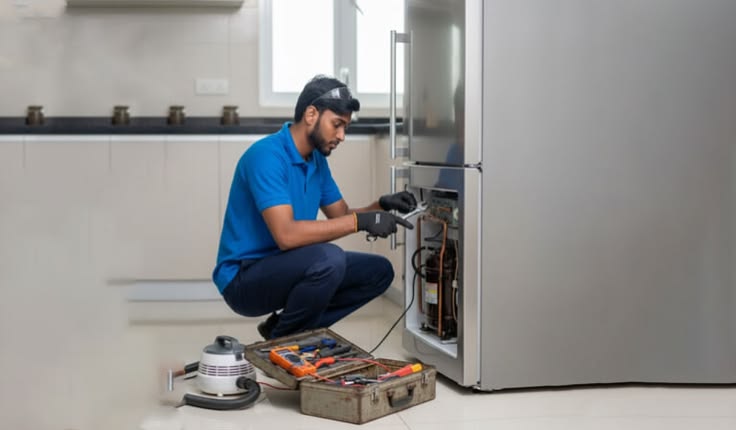
A refrigerator is one of the most important appliances in any home, working around the clock to keep food fresh and safe. But when it starts showing signs of trouble—whether it’s making strange noises, failing to cool properly, or leaking water—you may find yourself facing a difficult question: should you repair it or replace it altogether?
Making the right Refrigerator Repair in Orange County decision can save you hundreds or even thousands of dollars. While some refrigerator problems are relatively inexpensive to fix, others may signal that the appliance is nearing the end of its lifespan. Understanding the costs involved and the factors that influence repair-versus-replacement decisions can help you make a smart financial choice.
Understanding the Average Lifespan of a Refrigerator
Most modern refrigerators last between 10 and 20 years, depending on the brand, model, maintenance history, and usage patterns.
Average Lifespans by Type
- Top-freezer refrigerators: 14–17 years
- Bottom-freezer refrigerators: 12–16 years
- Side-by-side refrigerators: 10–15 years
- French-door refrigerators: 10–15 years
- Compact refrigerators: 8–12 years
If your refrigerator is approaching or exceeding its expected lifespan, replacement may be a better investment than major repairs.
The 50% Rule: A Simple Decision Tool
Many appliance experts recommend following the “50% Rule.”
What It Means
If the repair cost exceeds 50% of the price of a new refrigerator, replacement is usually the smarter choice.
For example:
- New refrigerator cost: $1,200
- Repair estimate: $700
Since the repair represents more than half the cost of a new unit, replacement often provides better long-term value.
This rule becomes even more important when the appliance is older than ten years.
Common Refrigerator Repairs and Their Costs
Not every refrigerator problem requires replacement. Many issues are affordable to repair and can extend the life of the appliance for several years.
Thermostat Replacement
Typical Cost: $100–$300
A faulty thermostat can cause temperature fluctuations or prevent proper cooling. This repair is usually worthwhile, especially for newer refrigerators.
Door Seal (Gasket) Replacement
Typical Cost: $80–$250
Damaged door seals allow cold air to escape, forcing the refrigerator to work harder. Replacing a gasket is relatively inexpensive and often restores efficiency.
Fan Motor Repair
Typical Cost: $150–$400
Evaporator and condenser fans help circulate air throughout the appliance. Fan-related repairs are generally cost-effective unless the refrigerator is already very old.
Defrost System Repair
Typical Cost: $200–$500
Problems with heaters, sensors, or defrost timers can lead to excessive frost buildup. Repairing these components is often worthwhile on mid-life refrigerators.
Ice Maker Repair
Typical Cost: $150–$450
Ice maker issues are common and usually don’t require replacing the entire refrigerator.
Compressor Replacement
Typical Cost: $600–$1,500
The compressor is one of the most expensive refrigerator components. When compressor failure occurs, replacement often makes more financial sense, especially on older units.
Signs Repair Is the Better Option
In many situations, repairing your refrigerator is the most economical choice.
The Refrigerator Is Less Than 8 Years Old
Newer refrigerators typically have many years of service remaining. Minor and moderate repairs can be worthwhile investments.
The Problem Is Isolated
A single faulty component, such as a thermostat or fan motor, is often inexpensive compared to purchasing a new appliance.
Energy Efficiency Remains Good
If your refrigerator is operating efficiently and has not significantly increased your utility bills, repair may extend its useful life economically.
Repair Costs Are Reasonable
When repairs cost less than half the price of a comparable new refrigerator, fixing the unit often offers the best value.
Signs It’s Time to Replace
Certain situations strongly favor replacing rather than repairing.
Frequent Breakdowns
If you’ve paid for multiple repairs in recent years, additional fixes may only delay an inevitable replacement.
Rising Energy Bills
Older refrigerators consume significantly more electricity than modern Energy Star-certified models.
A new refrigerator may reduce energy consumption enough to offset part of the purchase price over time.
Major Component Failure
Failures involving compressors, sealed systems, or refrigerant leaks can be extremely expensive to repair.
Excessive Age
Once a refrigerator reaches 15 years or more, replacement often becomes the smarter long-term investment.
Food Spoilage Problems
Inconsistent temperatures that repeatedly spoil food may indicate larger system issues beyond simple repairs.
Comparing Repair Costs to Replacement Costs
Example 1: Newer Refrigerator
- Age: 5 years
- Repair needed: Fan motor replacement
- Repair cost: $250
- New refrigerator cost: $1,200
Best Choice: Repair
The appliance is relatively new, and the repair cost is low compared to replacement.
Example 2: Older Refrigerator
- Age: 14 years
- Repair needed: Compressor replacement
- Repair cost: $900
- New refrigerator cost: $1,400
Best Choice: Replace
The repair is expensive, and the appliance is already near the end of its expected lifespan.
Example 3: Mid-Life Refrigerator
- Age: 9 years
- Repair needed: Defrost system repair
- Repair cost: $300
- New refrigerator cost: $1,500
Best Choice: Repair
The repair cost is modest, and the refrigerator likely has several useful years remaining.
Hidden Benefits of Replacement
While replacement involves a larger upfront investment, it often provides additional advantages.
Improved Energy Efficiency
Modern refrigerators use significantly less electricity than older models, reducing monthly utility costs.
Better Food Preservation
New cooling technologies maintain more consistent temperatures and humidity levels.
Increased Storage Space
Many newer models maximize interior capacity while maintaining similar exterior dimensions.
Smart Features
Some refrigerators now offer:
- Wi-Fi connectivity
- Temperature monitoring
- Water filter alerts
- Energy tracking
- Smart-home integration
While not essential, these features can improve convenience and efficiency.
How Maintenance Can Delay Replacement
Proper maintenance can extend refrigerator lifespan and reduce repair costs.
Key Maintenance Tips
- Clean condenser coils every six months.
- Check door seals regularly.
- Avoid overloading shelves.
- Keep vents clear for proper airflow.
- Replace water filters as recommended.
- Maintain proper temperature settings.
Routine care often prevents costly breakdowns and helps refrigerators operate efficiently for many years.
Questions to Ask Before Deciding
Before authorizing a repair or purchasing a replacement, ask yourself:
- How old is the refrigerator?
- What is the total repair estimate?
- Have there been recent repairs?
- Is energy efficiency declining?
- Does the appliance still meet my storage needs?
- Would a new model significantly reduce utility costs?
Answering these questions can provide clarity and help avoid spending money on a refrigerator that may soon fail again.
Conclusion
Deciding whether to repair or replace your refrigerator comes down to balancing age, repair costs, efficiency, and reliability. Minor repairs on newer refrigerators are often worthwhile, while major component failures on older units usually justify replacement. The 50% Rule provides a useful guideline: if repairs exceed half the cost of a new refrigerator, replacement is often the better financial decision.
By evaluating the condition of your appliance carefully and considering long-term operating costs, you can make an informed choice that protects both your food and your budget.