

A crew standing around a dry excavator is one of the most expensive sights on a construction site. Rented equipment keeps billing. The schedule does not pause. Everybody on the job knows exactly why nothing is moving.
The cost is rarely just the idle hour, either. A missed pour window or a subcontractor pushed into another week keeps rippling through the schedule long after the truck finally shows up.
Fuel is easy to take for granted right up until it runs short, which is why the sites that never seem to have a problem are usually the ones that planned for it months earlier.
Before the First Machine Starts
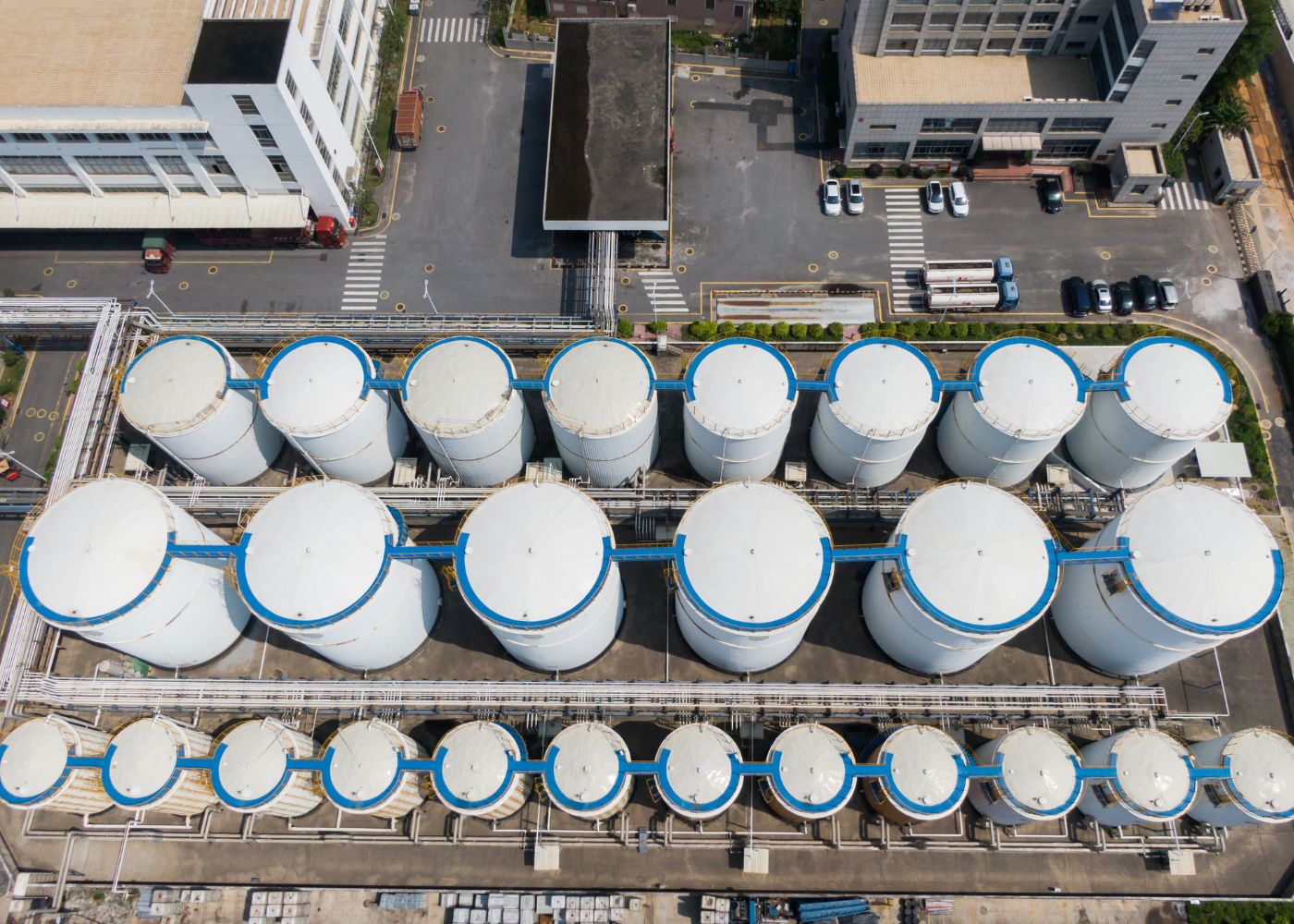
Storage decisions get made too late on a lot of projects. Working out the expected burn rate from the equipment mix and projected hours, sizing tanks so a single missed delivery is not a shutdown, siting them where a loaded truck can reach in mud or snow, and sorting out containment and permitting all belong in preconstruction rather than week one.
Access deserves particular thought on a Prairie site. A tank location that works in July can become unreachable during spring breakup.
Opening the fuel account early matters too. Credit approval, delivery terms, site access requirements and safety paperwork take time that nobody has once mobilization starts.
While the Site Runs
Deliveries can be scheduled or triggered by need, and most operations end up using some of both.
Tank monitoring removes the guesswork. When refills are driven by actual level readings rather than somebody’s memory of the last fill, the emergency call at the end of a shift mostly disappears.
Site conditions keep changing, which is the part people forget. A haul road that shifts, a new laydown area or a fresh pour can all cut off truck access that worked fine the week before, so keeping the supplier informed is worth the two-minute phone call.
Spring road restrictions across the Prairies deserve advance planning as well, since weight limits can reduce how much a truck is allowed to carry right when the season is starting.
The supplier a project chooses is doing more than dropping off diesel. Companies such as DMM Energy, which operates a network of bulk plants across the Prairie provinces, are worth evaluating on whether they have product close enough to your site to respond quickly, whether they supply tanks and accessories alongside the fuel, whether someone answers outside business hours when a generator is running down, and whether invoicing is detailed enough to allocate fuel against cost codes. A supplier with deep roots in the region also tends to understand local conditions in a way a distant vendor cannot.
When Winter Sets In
Cold weather turns fuel quality from a background concern into a daily one.
Diesel gels when temperatures drop far enough, which is why seasonal blending exists and why summer product left in a tank into late fall causes problems. Ask the supplier what blend is being delivered and when the changeover happens.
Water is the other winter issue. Condensation forms in partly empty tanks and eventually works its way into filters, so keeping storage reasonably full through cold months does more good than it appears to.
Filters and water separators deserve attention on a schedule rather than after a machine quits. A plugged filter on a frozen morning costs far more than the part.
After the Job Wraps
Closeout is where fuel management quietly pays for itself on the next bid.
Reconciling delivered volumes against equipment hours tells you what machines actually consumed, which turns the next estimate from a guess into something grounded. Contractors who track this across several jobs develop numbers nobody else at the table has.
Demobilization needs planning too. Tank removal, final fills, account closeout and any remaining product all have to be handled rather than left to whoever is last off site.
None of this makes fuel exciting, and that is rather the point. A site manager who can stop thinking about diesel is a site manager free to think about everything else, and a job that runs from mobilization to final grade without a single fuel-related delay is a quiet kind of accomplishment worth taking seriously.