

Research the Dealer Before Making a Purchase
Buying gold coins involves more than finding a seller with attractive prices. Whether you are purchasing collectible pieces or bullion, the dealer you choose plays an important role in the overall transaction.
Start by researching the dealer’s history, business practices and reputation. Look for clear information about the company, including how long it has operated and how customers describe their experiences. Reviews provide useful context, but they should be considered alongside other information rather than treated as the only measure of reliability.
A dealer that provides straightforward product descriptions, transparent policies and accessible contact information gives buyers more information to evaluate before committing funds.
Understand What the Coin Represents
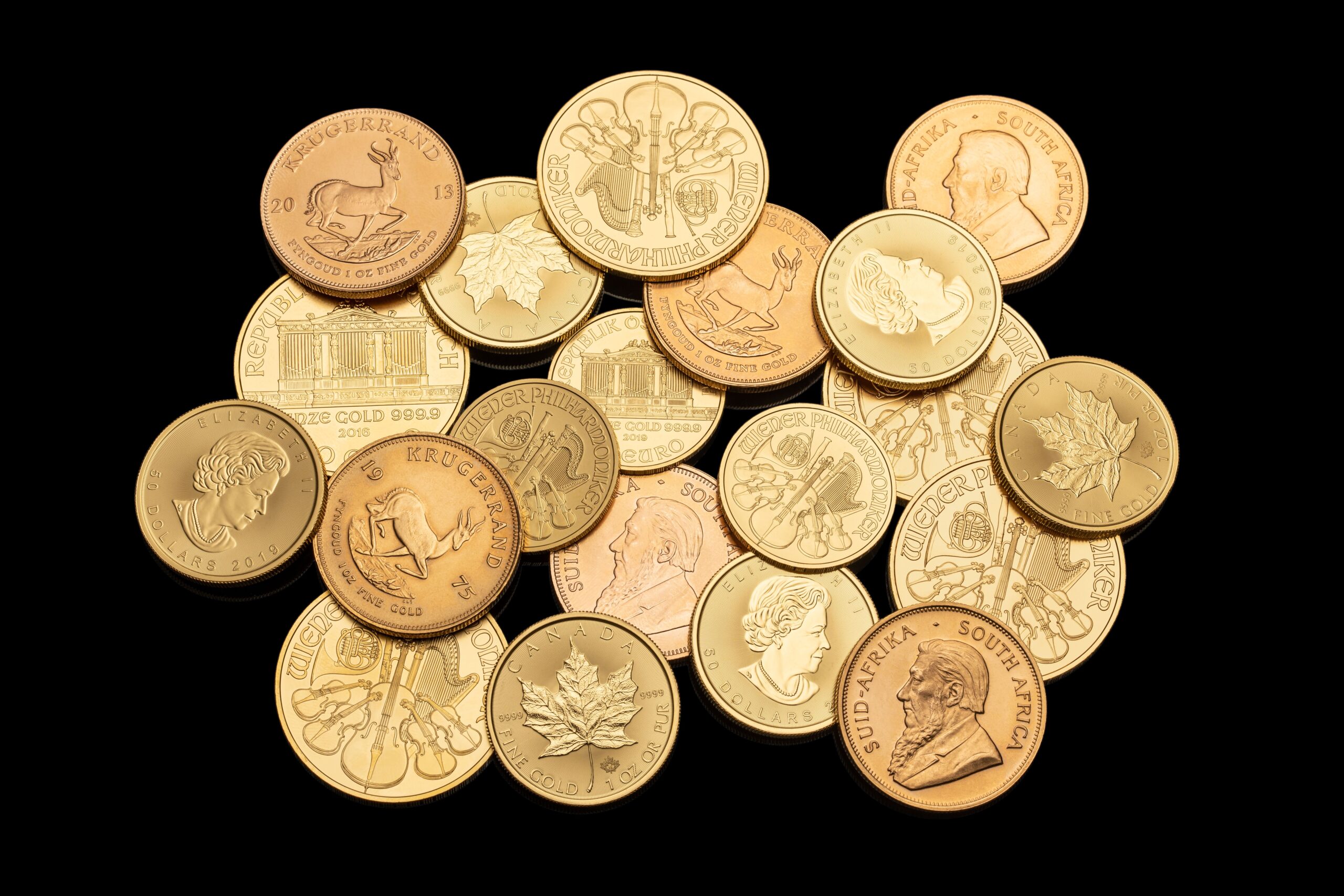
Gold coins vary significantly in their characteristics and market value. Some derive much of their value from their gold content, while others may have additional collectible or historical significance.
Before purchasing, understand what type of coin you are considering and why it is being offered at a particular price. Details such as weight, purity, issuing authority, date and condition may affect the value.
Do not assume that two coins with similar amounts of gold are automatically worth the same amount. Their premiums, availability and collectible characteristics may differ.
Ask the dealer for documentation or specifications when important information is not included in the listing. A clear understanding of the product helps prevent confusion later.
Compare Pricing and Premiums
Gold prices fluctuate, so comparing a dealer’s asking price with current market conditions is an important part of the purchasing process. The amount paid for a coin may include more than the underlying value of its gold.
Dealers may charge premiums based on factors such as product availability, demand, condition or collectibility. Comparing similar coins from several established dealers provides useful context for determining whether a quoted price is reasonable.
Be cautious about offers that appear dramatically different from prevailing prices without a clear explanation. An unusually low price deserves additional research, just as an unusually high premium should be understood before purchasing.
The goal is not simply to find the lowest price but to understand what the quoted amount includes.
Ask About Authenticity
Authenticity is one of the most important considerations when purchasing precious-metal coins. Buyers should know how a dealer verifies the products it sells and whether supporting documentation is available.
Ask about the coin’s specifications and authentication practices when those details are unclear. Established dealers should be prepared to explain what customers are purchasing without relying entirely on promotional descriptions.
For higher-value transactions, additional verification may be appropriate. A qualified professional or reputable grading service may provide further information about certain coins, particularly when condition or authenticity has a significant effect on value.
Avoid making a major purchase based solely on photographs or an informal description.
Review Buying and Selling Policies
A dealer’s policies matter both before and after a transaction. Review the terms for purchases, returns, exchanges and buybacks before placing an order.
Some dealers offer to repurchase coins under specific conditions, while others may have different policies depending on the product. Understanding these terms ahead of time helps prevent unrealistic expectations later.
Pay attention to payment methods, order confirmation procedures and any applicable fees. If a dealer’s policies are difficult to locate or contain unclear language, ask questions before proceeding.
A transparent transaction should leave you with a clear understanding of what you are paying and what happens after the sale.
Consider Storage and Delivery
Gold coins require appropriate handling after purchase. Think about how the coins will be transported and stored, particularly when dealing with valuable pieces.
When purchasing online, review the dealer’s shipping procedures and insurance information. Understand who assumes responsibility for the package during transit and what documentation is provided after shipment.
At home, consider a secure storage arrangement that suits the value of your holdings. Some buyers may use a dedicated safe, while others may explore professional storage services.
Security should be considered before the purchase rather than after the coins arrive.
Separate Investment Goals From Collecting
Not every gold coin purchase has the same purpose. Some buyers focus on the precious-metal content, while others are interested in historical significance, rarity or collectible appeal.
Identifying your reason for purchasing helps you ask more relevant questions. Someone interested primarily in gold content may focus on purity, weight and premiums. A collector may place greater emphasis on condition, scarcity and provenance.
Do not assume that past performance or rising gold prices guarantee future returns. Precious-metal markets fluctuate, and collectible values may behave differently from the underlying metal price.
Understanding your objective provides a clearer basis for comparing products.
Keep Detailed Records
Maintain records for every significant gold coin transaction. Keep invoices, receipts, certificates, grading information and correspondence with the dealer.
These documents help establish what was purchased, when it was acquired and how much was paid. They may also become useful for insurance, future sales or tax-related recordkeeping.
Store digital copies securely while keeping original documentation in an appropriate location. Good records provide an organized history of your purchases and make future transactions easier to manage.
Take Time Before Committing
Doing business with gold coin dealers requires patience and careful research. Avoid feeling pressured into making an immediate purchase simply because a seller describes an opportunity as limited or urgent.
Compare dealers, verify product details and understand pricing before committing your money. Ask questions whenever specifications, authenticity, fees or policies remain unclear.
Most importantly, remember that a professional-looking website or persuasive sales presentation does not replace independent research. A well-informed buyer looks at the product, the dealer and the terms of the transaction together.
When you understand what you are buying and know how the dealer operates, you have a stronger foundation for making a purchasing decision that aligns with your goals.