

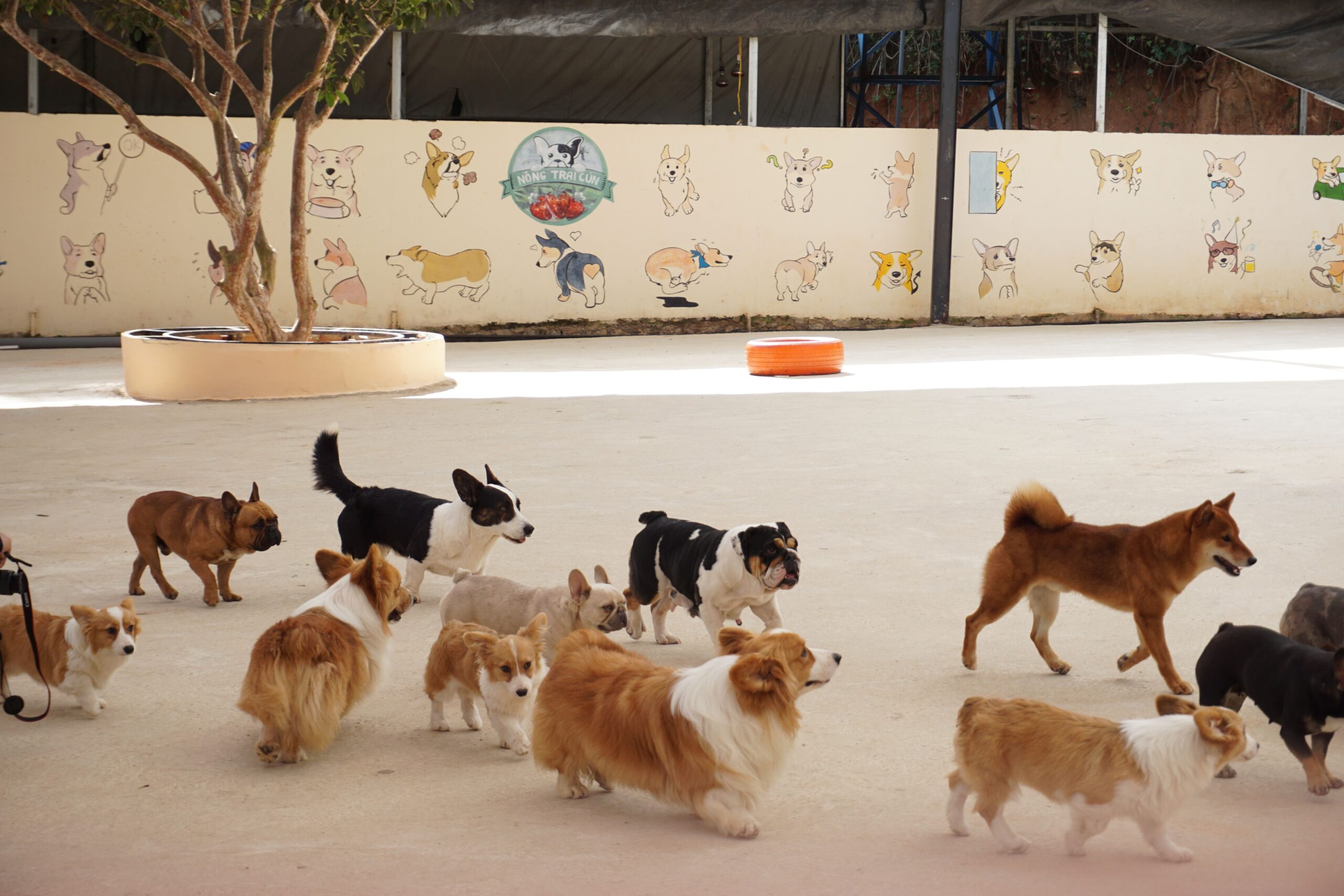
Choosing a dog daycare is about more than finding a place where your dog can spend the day while you are at work. A good daycare should provide an environment where your dog can feel comfortable, stay supervised and interact with people and other dogs appropriately. Since every facility operates differently, it is important to look beyond attractive photos or convenient hours.
Before enrolling your dog, take time to evaluate how the facility handles safety, supervision, cleanliness and daily activities. Here are five non-negotiables worth considering when deciding whether a daycare is right for your dog.
1. Consistent and Responsible Supervision
Dogs can become excited quickly when they are playing together. Even dogs that normally behave well can react differently when placed in a busy group environment. For this reason, attentive supervision should be one of your highest priorities.
Ask how many staff members supervise the dogs and how the facility determines appropriate group sizes. Employees should be able to recognize signs of stress, overstimulation or inappropriate behavior before a situation escalates.
It is also worth asking what happens when a dog needs a break. A quality daycare should have a plan for separating dogs when necessary rather than allowing every interaction to continue without intervention.
Pay attention during your visit. Staff should appear engaged with the dogs instead of spending most of their time distracted by phones, conversations or other tasks.
2. A Clear Screening and Grouping Process
Not every dog is comfortable in the same type of group. Age, size, temperament, energy level and play style can all affect how dogs interact.
A daycare should have a process for evaluating dogs before allowing them to participate in group activities. Ask whether your dog will have an assessment or trial period and what the staff looks for during that process.
Find out how dogs are grouped throughout the day. A small, older dog may not be comfortable in a room filled with energetic larger dogs, while a highly active dog may become frustrated in a quieter group.
Good grouping is not simply about separating dogs by size. Temperament and individual behavior should also be considered.
3. Strong Cleaning and Hygiene Practices
Dogs spend a significant amount of time on floors, shared surfaces and outdoor areas at daycare. With multiple animals using the same spaces, cleanliness becomes an important part of maintaining a healthy environment.
Ask how frequently play areas, sleeping spaces, bowls and other shared items are cleaned. Find out how staff handle accidents and whether soiled areas are cleaned promptly.
The facility should also have procedures for dealing with dogs that show signs of illness. Ask whether dogs are required to meet vaccination requirements and what happens if a dog develops symptoms while attending daycare.
A clean environment cannot eliminate every health risk, but consistent sanitation and clear policies can help reduce preventable problems.
4. Safe and Secure Facilities
A dog daycare should be designed with the possibility of escape, injury and unexpected behavior in mind. Check whether entrances, gates and fencing appear secure and whether dogs can easily access areas they should not enter.
During your visit, look for potential hazards such as damaged fencing, exposed wires, unstable equipment or objects that dogs could chew or swallow.
Ask about outdoor play areas as well. Is the fencing appropriate for the dogs using the space? Are there shaded areas or places where dogs can take a break? How does the facility handle extreme weather?
Indoor areas matter too. Dogs should have enough room to move comfortably without becoming overcrowded.
Emergency planning is another important consideration. Ask what the facility does if a dog becomes injured or if another emergency occurs. A responsible daycare should have procedures for contacting owners and seeking veterinary assistance when necessary.
5. Individual Attention and Rest Time
Daycare should not mean nonstop play. Dogs need opportunities to rest, particularly when they are spending several hours in an unfamiliar or highly stimulating environment.
Ask how the facility structures the day. Are there scheduled rest periods, quiet spaces or individual areas where dogs can decompress?
This can be especially important for puppies, older dogs and dogs that become overwhelmed by constant activity.
You should also find out how staff monitor individual dogs throughout the day. A good daycare should recognize that some dogs prefer interactive play while others may need more personal space.
Individual attention can also include basic updates for owners. Depending on the facility, you may receive information about how your dog ate, played, rested or behaved during the visit.
Questions to Ask Before Enrolling
Once you have identified a potential daycare, do not hesitate to ask detailed questions. Find out about vaccination requirements, emergency procedures, staff training, supervision, group sizes and rest periods.
Ask what happens if your dog does not adjust well to group play. You should also understand the facility’s policies regarding illness, injuries, medication and behavioral concerns.
Most importantly, visit the facility before making a commitment. Your impressions during an in-person tour can tell you things that a website cannot.
Notice whether the dogs appear relaxed and whether staff members interact with them appropriately. Listen for excessive barking or signs of distress, while remembering that some noise can be normal in an active daycare setting.
Choose Based on Your Dog’s Needs
The best daycare is not necessarily the largest, closest or most affordable option. It is the one that can safely accommodate your dog’s individual personality, energy level and needs.
Strong supervision, thoughtful grouping, consistent hygiene, secure facilities and appropriate rest should be considered non-negotiable. These factors can help create an environment where your dog can enjoy socialization without unnecessary stress or risk.
Taking time to research a daycare before enrolling your dog can give you greater peace of mind. After all, you are not simply choosing a place for your dog to spend the day—you are choosing an environment where they will be cared for while you are away.