

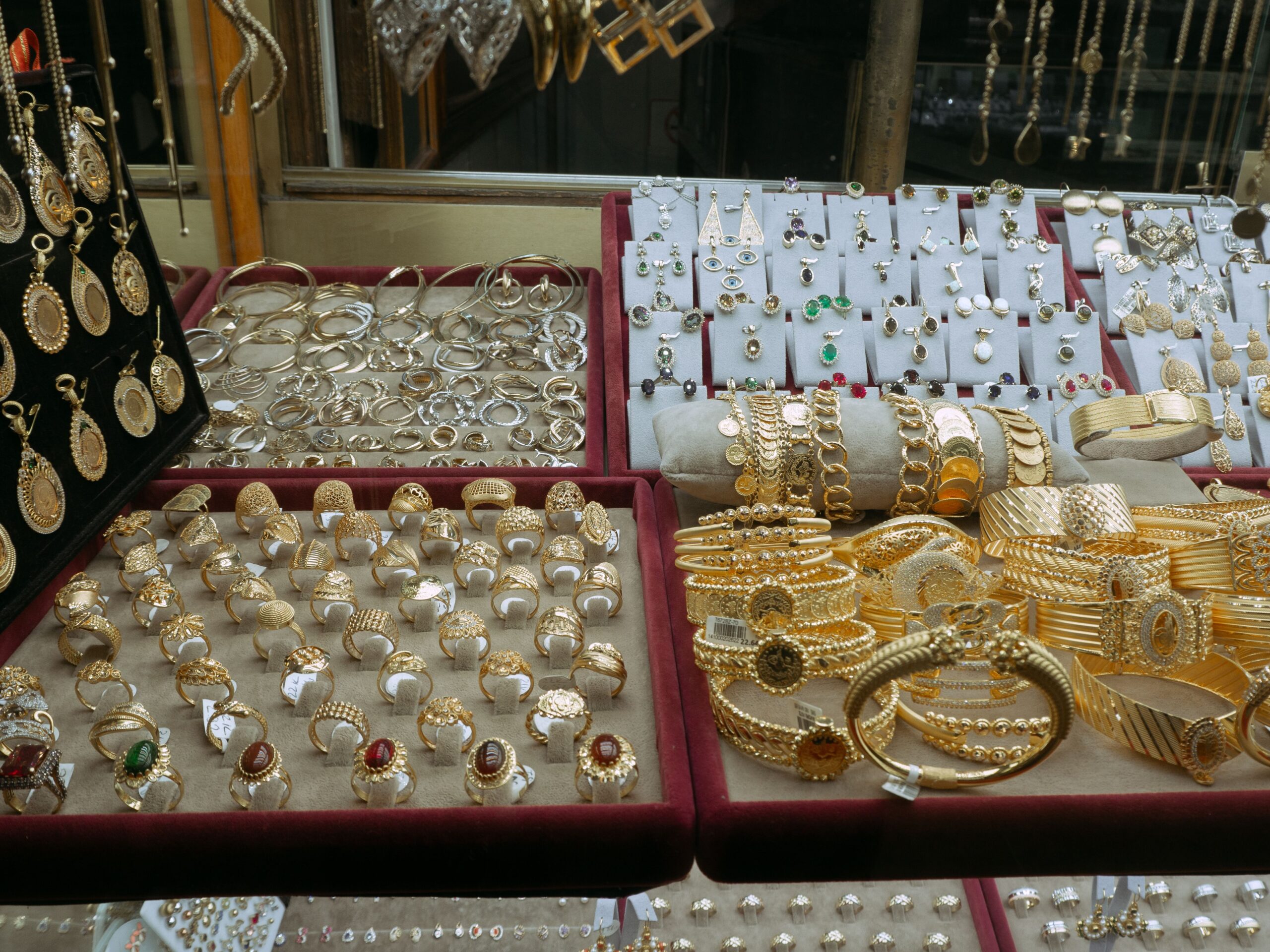
Selling gold can be a practical way to turn unwanted jewelry, coins, or other gold items into cash. However, getting a fair deal involves more than simply finding someone willing to buy your items. Gold prices can change, the purity of an item affects its value, and different buyers may use different methods to assess what you have.
Before selling, take some time to understand the factors that can influence an offer. Knowing what you own and how its value may be determined can help you approach the process with realistic expectations.
Understand the Gold You Have
Start by identifying the items you are considering selling. Gold may be found in jewelry, coins, watches, collectibles, and other pieces, but not every item contains the same amount of gold.
Look for markings that indicate purity, such as 10K, 14K, 18K, or 24K. These markings can provide an initial idea of the gold content. Keep in mind that jewelry may also contain gemstones, other metals, or decorative components that are not valued as gold.
If you have several pieces, separate them by type and, when possible, by purity. This can make it easier to discuss your items with a potential buyer and understand how they are being evaluated.
Check Current Gold Prices
Gold prices fluctuate based on activity in the global market. Checking the current market price before selling can give you a useful reference point.
The market price generally refers to the value of pure gold, so it does not necessarily equal the amount you will receive for a particular piece. A buyer may consider purity, weight, processing costs, business expenses, and other factors when determining an offer.
Knowing the general market conditions can still help you recognize whether an offer seems reasonable. It also gives you a better starting point when comparing offers from different buyers.
Have the Weight and Purity Assessed
Weight is another important factor when determining the potential value of gold. A heavier item does not automatically mean a higher payout because purity also matters.
For example, a piece made from 18-karat gold contains a different proportion of pure gold than a piece made from 24-karat gold. If an item contains gemstones or non-gold components, its total weight may not represent its gold weight.
A reputable buyer should explain how the item is evaluated. Ask whether the assessment is based on the entire item’s weight or only the portion considered gold. If you are unsure about the purity or composition, consider having the item assessed before agreeing to a sale.
Consider the Item’s Condition and Type
The value of a gold item may depend on more than its metal content. Jewelry with an appealing design, historical significance, recognizable maker, or collectible qualities could potentially have value beyond its weight as scrap gold.
For this reason, avoid assuming that every piece should automatically be sold based solely on its melt value. An older coin, designer piece, or distinctive jewelry item may deserve a more detailed evaluation.
This is particularly worth considering if you have inherited pieces or items that have been stored for many years. Gather any information you have about their origin, maker, purchase, or previous appraisal before selling.
Compare Potential Buyers
It is usually worthwhile to speak with more than one buyer before making a decision. Different businesses may have different pricing approaches, assessment methods, and policies.
For example, Lustre by Adolf is an example of a company that buys gold, illustrating why it can be useful to research a buyer and understand how its purchasing process works before committing to a transaction.
When comparing buyers, look beyond the quoted amount alone. Ask how the offer was calculated, whether there are any fees or deductions, and what happens if you decide not to proceed after the assessment. Clear answers can make it easier to compare one offer with another.
Ask How the Offer Is Calculated
Do not hesitate to ask for an explanation of the offer. A trustworthy transaction should not require you to accept a number without understanding where it came from.
You can ask about the gold’s weight, purity, applicable market price, and any deductions that affect the final amount. If the buyer weighs or tests the item, pay attention to whether the process is explained clearly.
If an offer is substantially lower than you expected, ask why. There may be a reasonable explanation, but you should feel comfortable requesting clarification before making a decision.
Be Careful With Sentimental Items
Gold can have financial value, but some pieces also carry personal significance. A ring, necklace, watch, or family heirloom may be difficult to replace once it has been sold.
Before accepting an offer, consider whether you are comfortable parting with the item. If you are selling because of financial circumstances, it may still be helpful to separate pieces with strong sentimental value from items you no longer use.
Taking photographs and recording any family history associated with an heirloom can also preserve some of its personal significance if you ultimately decide to sell it.
Keep Your Expectations Realistic
Selling gold does not always result in receiving the full market value of the metal. Buyers need to account for testing, refining, resale, operating expenses, and market risks. Understanding this distinction can prevent unrealistic expectations.
At the same time, you should not feel pressured to accept the first offer you receive. Researching current prices, understanding your items, and comparing buyers can give you greater confidence throughout the process.
Take Your Time Before Selling
A little preparation can make selling gold a more informed decision. Identify the items you have, check their purity, research current gold prices, and understand how their value may be calculated. If a piece could have collectible or design value, consider having it evaluated separately from its metal content.
Most importantly, choose a buyer that communicates clearly and gives you enough information to make your own decision. Whether you are selling a single unwanted piece or several items collected over the years, understanding the process can help you approach the transaction with greater confidence.