

For a small business, being easy to find online can matter as much as having a strong product. That is true whether you run a fashion label, a consultancy or a local service. Search visibility can bring potential customers to your website, but lasting results usually come from useful pages, a clear brand and genuine recommendations—not a quick fix that puts your reputation at risk.
Links from other websites are one part of that picture. A relevant mention can help readers discover your business and may contribute to how search engines understand your site. Yet not all links are earned in the same way, and paying for placements without checking how they are arranged can create problems. Treat link-building as a business decision: ask what value the placement offers a real reader, what it costs and what could go wrong.
Start with the reason for the link
Before contacting a publisher or considering a paid placement, decide what you want the link to do. A feature in a specialist fashion publication might introduce a new collection to an interested audience. A contribution to a business site could demonstrate expertise to prospective clients. In both cases, the link should sit within material that is relevant and worthwhile in its own right.
That is different from buying a link solely to influence rankings. Search engines may treat paid links intended to pass ranking credit as a violation of their guidelines. Paid advertising and sponsored content should be labelled clearly, and any arrangement should use appropriate link attributes where required. A publisher’s audience, editorial standards and disclosure practices matter at least as much as its headline metrics.
Be wary of guarantees such as a fixed number of ranking improvements, instant results or a large volume of placements for a suspiciously low fee. Ask who will publish the content, whether the site is relevant, how sponsorship is disclosed and whether you can review the final page. If the seller will not answer straightforward questions, walk away.
Understand what the price covers
There is no single standard price for a link placement. The cost may reflect the publisher’s audience and editorial work, the time needed to create an article, the effort involved in outreach, or a combination of these. A quote that bundles several services should make clear what is included. Separate the cost of writing from the cost of publication, and check whether revisions, research or reporting are extra.
Prices alone do not tell you whether an opportunity is worthwhile. A niche publication with a modest readership can be more useful than a larger site whose audience has little connection to your offer. Likewise, a page that attracts relevant visitors may have lasting value even if it does not deliver an immediate sales spike. Compare opportunities by likely audience fit, editorial quality and transparency, not by a single authority score.
For a current breakdown of common pricing factors and warning signs, read this guide to backlink safety and costs. Use it as a starting point for questions, rather than as a price list that every publisher should match.
Build assets worth mentioning
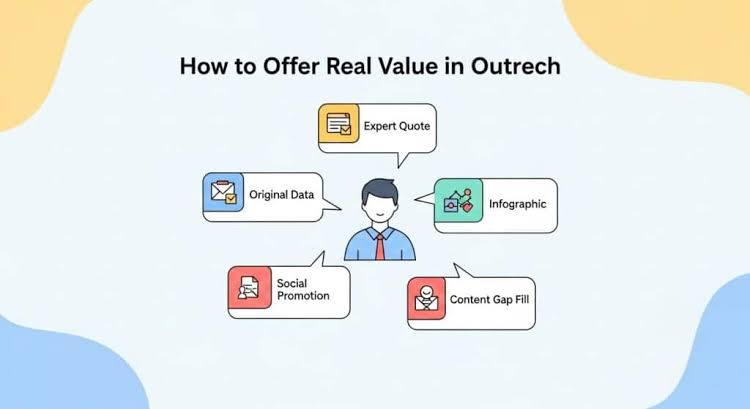
The most reliable outreach starts with something a publisher’s readers would genuinely want to see. A fashion business might share an original guide to caring for a particular fabric, a transparent account of how a garment is made or useful advice on fit. A service company could publish a practical checklist, explain a common technical issue or present findings from its own customer research.
Make the page easy to understand and useful even to someone who never buys from you. Include clear authorship, evidence for factual claims and a next step that feels relevant rather than pushy. Then identify publications that already cover the subject. A thoughtful, tailored pitch is more likely to earn attention than a mass email asking for a link.
Small teams can divide this work into manageable tasks: research suitable publishers, prepare a useful resource, write a pitch and track replies. If particular skills are missing, a freelance marketplace such as Osdire lets buyers hire freelancers across more than 900 categories, including writing, design and marketing. Its flat pricing has no hidden fees, and payment is held while an order is in progress and released after the delivered work is approved. As with any freelancer, agree the brief, ownership, deadlines and revision expectations before work begins.
Keep the process accountable
Maintain a simple record of each opportunity: the publication, proposed content, total cost, disclosure terms, live URL and date checked. Review the finished page to confirm that the article is accurate, the link works and the placement matches what you agreed. Do not assume that every link will remain live forever; publishers update sites, and pages can change.
Finally, measure more than rankings. Track relevant referral visits, enquiries, sales and whether the placement reaches the people you want to serve. Give results time to develop, and compare them with the effort and cost involved. A sensible link strategy is selective, transparent and connected to broader marketing—not a substitute for a good website or a compelling offer. When a placement would not make sense to its readers without the link, it is probably not the right investment.