

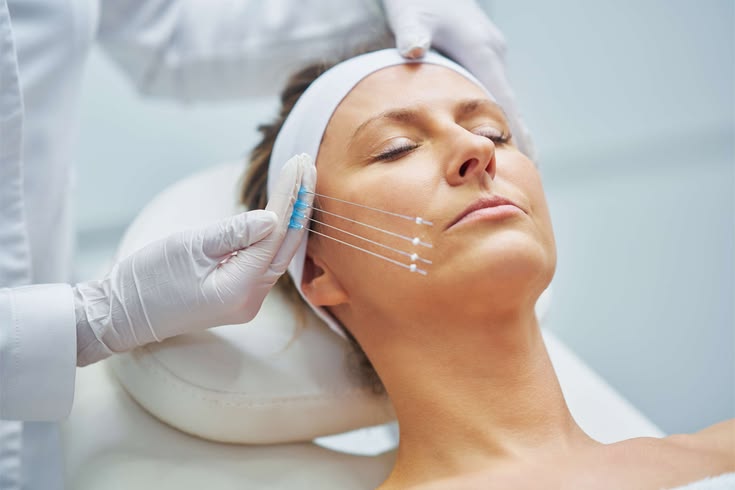
PDO thread treatments have become one of the most popular non-surgical aesthetic procedures for individuals seeking firmer, smoother, and more youthful-looking skin. By using dissolvable threads placed beneath the skin, practitioners can create subtle lifting effects while stimulating the body’s natural collagen production.
However, many patients are surprised to learn that not all PDO threads are the same. In fact, there are several different types of threads designed for specific purposes, with Mono Threads, Cog Threads, and Screw Threads being among the most commonly used.
Understanding the differences between these thread types can help patients make informed decisions and better understand their treatment plans. Each PDO Thread Lift Treatments in The Woodlands has a unique structure, purpose, and benefit, allowing practitioners to customize treatments based on individual aesthetic goals.
What Are PDO Threads?
PDO stands for Polydioxanone, a biocompatible material that has been safely used in medical sutures for decades.
When inserted beneath the skin, PDO threads provide two major benefits:
- Immediate structural support
- Long-term collagen stimulation
Over time, the threads gradually dissolve, but the collagen they help generate can continue improving skin quality long after the threads are gone.
PDO threads are commonly used to treat:
- Mild skin laxity
- Fine lines
- Wrinkles
- Facial contouring concerns
- Volume loss
- Early signs of aging
The type of thread selected depends on the desired outcome.
Understanding Mono Threads
Mono threads are the simplest and most commonly used PDO thread type.
What Are Mono Threads?
Mono threads are smooth threads without barbs, hooks, or twists.
They are typically inserted in a mesh-like pattern beneath the skin to create a supportive framework.
Unlike lifting threads, mono threads are primarily designed to improve skin quality rather than reposition tissue.
Benefits of Mono Threads
Mono threads can help:
- Stimulate collagen production
- Improve skin texture
- Enhance skin firmness
- Reduce fine lines
- Promote subtle tightening
Because multiple threads are often used together, they create a collagen-rich support structure beneath the skin.
Best Treatment Areas
Mono threads are frequently used in:
- Cheeks
- Forehead
- Neck
- Jawline
- Under-eye area
- Décolletage
They are particularly useful for patients experiencing early signs of aging.
Understanding Cog Threads
Cog threads are the lifting specialists of the PDO thread family.
What Are Cog Threads?
Unlike smooth mono threads, cog threads contain tiny barbs or hooks along their length.
These barbs anchor into the tissue and allow the practitioner to physically reposition and lift sagging skin.
How Cog Threads Work
Once inserted, the barbs grip the underlying tissue.
This allows the practitioner to:
- Elevate sagging areas
- Improve facial contours
- Define the jawline
- Lift cheeks
- Reduce jowls
The lifting effect is visible almost immediately.
Benefits of Cog Threads
Cog threads can provide:
- Noticeable lifting
- Improved facial definition
- Enhanced contouring
- Collagen stimulation
- Non-surgical rejuvenation
Many patients seeking a “lunchtime facelift” are treated primarily with cog threads.
Ideal Treatment Areas
Cog threads are often used for:
- Mid-face lifting
- Jawline contouring
- Jowl reduction
- Neck tightening
- Brow lifting
Patients with mild to moderate skin laxity frequently benefit most from this type of thread.
Understanding Screw Threads
Screw threads are designed to provide both collagen stimulation and subtle volume enhancement.
What Are Screw Threads?
Screw threads consist of one or more PDO threads twisted around the needle.
This coiled design creates additional structure beneath the skin.
The twisted configuration allows screw threads to occupy more space than standard mono threads.
How Screw Threads Work
When inserted, screw threads help:
- Stimulate collagen production
- Improve skin density
- Create subtle fullness
- Enhance tissue support
They are particularly useful in areas where mild volume loss has occurred.
Benefits of Screw Threads
Screw threads may help:
- Restore mild facial volume
- Improve skin firmness
- Support tissue structure
- Enhance collagen production
- Create smoother contours
Because of their design, they provide more tissue support than traditional mono threads.
Common Treatment Areas
Screw threads are frequently used in:
- Cheeks
- Nasolabial folds
- Marionette lines
- Temples
- Facial hollows
They can be especially helpful for patients seeking subtle volume enhancement without fillers.
Comparing Mono, Cog, and Screw Threads
Each thread type serves a different purpose.
Mono Threads
Primary purpose:
- Collagen stimulation
- Skin rejuvenation
Best for:
- Fine lines
- Early aging
- Skin texture improvement
Cog Threads
Primary purpose:
- Tissue lifting
- Facial contouring
Best for:
- Sagging cheeks
- Jowls
- Jawline definition
Screw Threads
Primary purpose:
- Volume support
- Collagen stimulation
Best for:
- Mild volume loss
- Skin firmness
- Facial contour enhancement
Many treatment plans combine all three thread types for optimal results.
Why Practitioners Often Combine Thread Types
Every face ages differently.
For this reason, experienced providers often create customized treatment plans using multiple thread designs.
For example:
- Cog threads may lift sagging cheeks.
- Mono threads may improve overall skin quality.
- Screw threads may restore subtle fullness.
This layered approach can provide more balanced and natural-looking results.
The Collagen Advantage
Regardless of the thread type used, collagen stimulation remains one of the biggest benefits of PDO thread treatments.
As the threads dissolve, they encourage the body to produce new collagen around the treatment area.
This collagen helps improve:
- Skin elasticity
- Firmness
- Texture
- Structural support
The collagen-building process can continue for several months following treatment.
How Long Do Results Last?
The longevity of results depends on several factors, including:
- Thread type
- Age
- Skin quality
- Lifestyle habits
- Treatment area
Many patients enjoy visible improvements for one to two years or longer.
While the threads themselves dissolve, the collagen generated around them can provide continued benefits.
Who Is a Good Candidate?
PDO thread treatments are often suitable for individuals who:
- Have mild to moderate skin laxity
- Want natural-looking results
- Prefer non-surgical options
- Are in good overall health
- Have realistic expectations
Patients with severe skin sagging may benefit more from surgical procedures.
Learn More About Collagen and Skin Structure
If you’re interested in the science behind collagen production and connective tissues, the Harvard Medical School – Connective Tissue Research Overview offers educational insights into how connective tissues support the body’s structure and function.
Final Thoughts
PDO thread treatments have revolutionized non-surgical facial rejuvenation by offering customizable solutions for lifting, tightening, and collagen stimulation. Understanding the differences between Mono, Cog, and Screw threads helps clarify why practitioners choose specific thread types for different concerns.
Mono threads excel at improving skin quality and stimulating collagen, cog threads provide visible lifting and contouring, and screw threads offer enhanced tissue support and subtle volume restoration. Together, these versatile tools allow providers to tailor treatments to each patient’s unique needs.
Whether used individually or in combination, PDO threads offer an innovative approach to achieving a refreshed, youthful appearance without the downtime and commitment associated with surgery.