

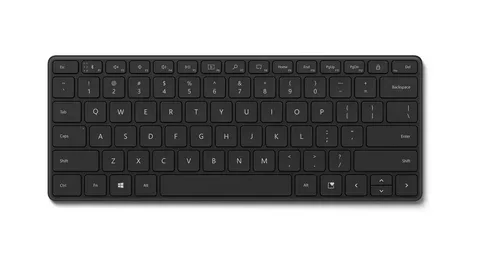
In the world of modern computing, keyboards come in a variety of sizes and layouts. Among them, compact keyboard have gained popularity for their portability and sleek design. But the question arises: Are compact keyboards good for typists? In this article, we’ll explore the advantages, potential drawbacks, and suitability of compact keyboards for typing professionals and enthusiasts.
What is a Compact Keyboard?
A compact keyboard, sometimes referred to as a 60% or 65% keyboard, is a smaller version of the traditional full-sized keyboard. These keyboards often omit the numeric keypad, function row, or even some navigation keys to save space. The goal is to provide a minimalist design without sacrificing core functionality.
Advantages of Compact Keyboards for Typists
1. Portability
One of the most obvious benefits of compact keyboards is portability. Their smaller footprint makes them easy to carry around, whether you’re working from a café, traveling, or moving between workspaces. For typists who value mobility, this can be a game-changer.
2. Ergonomic Benefits
Compact keyboards encourage better posture by bringing the mouse closer to the typing position. This reduces shoulder strain and promotes a more natural hand placement, which can be beneficial for long typing sessions.
3. Minimal Desk Clutter
A smaller keyboard leaves more space on your desk for other tools or monitors. For typists with limited workspace, this can significantly improve efficiency and comfort.
Potential Drawbacks
While compact keyboards offer many advantages, they may not be ideal for everyone:
- Missing Keys: Some compact layouts require the use of function layers to access keys that are standard on full-sized keyboards. This can slow down typing for those who frequently use shortcuts or numeric input.
- Learning Curve: Typists accustomed to traditional layouts may need time to adjust to the new key placements.
Are Compact Keyboards Good for Typists?
The answer depends on the typist’s needs. For writers, coders, and office professionals who prioritize ergonomics, desk space, and portability, compact keyboards can be excellent. However, for data entry specialists or those who rely heavily on numeric keypads, a full-sized keyboard might still be more practical. Overall, many typists find that the benefits of a compact keyboard outweigh the drawbacks once they adapt to the layout.
Tips for Choosing the Right Compact Keyboard
- Consider Key Switch Type: Mechanical switches can improve typing speed and comfort.
- Check Layout Options: Some compact keyboards include additional keys or programmable layers for convenience.
- Test Ergonomics: Ensure your hands feel comfortable during long typing sessions.
Conclusion
So, are compact keyboards good for typists? Absolutely—especially for those who value portability, desk space, and ergonomics. While there may be a short adjustment period for some users, the long-term benefits make compact keyboards a worthy investment for many typists. Choosing the right layout and switch type can further enhance the typing experience, making compact keyboards a practical and stylish choice in today’s workspace.
