

In today’s construction and earthmoving industries, precision and efficiency are paramount. One of the revolutionary technologies enabling these advancements is gps machine control. For newcomers, understanding how this technology integrates with heavy equipment can seem daunting. This article serves as A Beginner’s Guide to GPS Machine Control in Heavy Equipment Operations, breaking down the essentials for operators and managers alike.
What is GPS Machine Control?
GPS machine control refers to the use of Global Positioning System (GPS) technology to guide and control heavy machinery during construction, excavation, and grading projects. By using satellites, GPS systems provide real-time location data that allows machines to operate with pinpoint accuracy. This reduces the need for manual staking and enhances operational efficiency.
How Does GPS Machine Control Work in Heavy Equipment Operations?
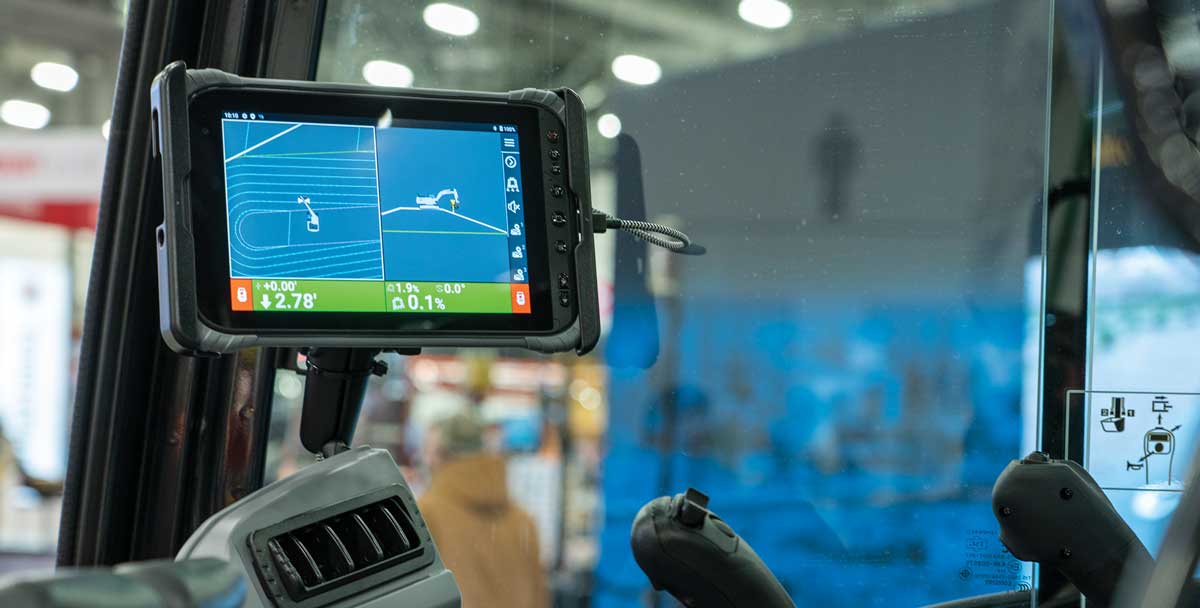
The system uses a combination of GPS receivers mounted on the equipment and software that interprets positional data. The operator receives visual and sometimes auditory signals indicating how to adjust the machine’s blade, bucket, or other implements to achieve the desired grade or contour.
For example, during a grading operation, the GPS system constantly compares the machine’s current position against the planned surface model. It then guides the operator to cut or fill soil as needed, ensuring the final surface meets specifications.
Benefits of Using GPS Machine Control
Implementing GPS machine control in heavy equipment operations brings numerous advantages:
- Increased Accuracy: Eliminates guesswork, ensuring precise cuts and fills.
- Improved Productivity: Reduces rework and speeds up project completion.
- Cost Savings: Minimizes material wastage and decreases the need for manual survey crews.
- Enhanced Safety: Reduces the need for personnel to be near operating machinery.
Getting Started: Tips for Beginners
If you’re new to GPS machine control, consider the following tips:
- Training is Key: Take advantage of manufacturer training programs to understand system functionality.
- Start Simple: Begin with basic grading or excavation projects before moving to complex tasks.
- Maintenance Matters: Regularly check GPS equipment for calibration and updates to ensure accuracy.
- Collaborate: Coordinate with surveyors and site managers to keep the digital models updated.
Conclusion
Understanding and utilizing GPS technology can transform heavy equipment operations. This article has outlined A Beginner’s Guide to GPS Machine Control in Heavy Equipment Operations, highlighting what the technology is, how it works, and the benefits it offers. Embracing GPS machine control not only improves operational precision but also drives efficiency and safety on the job site.
