

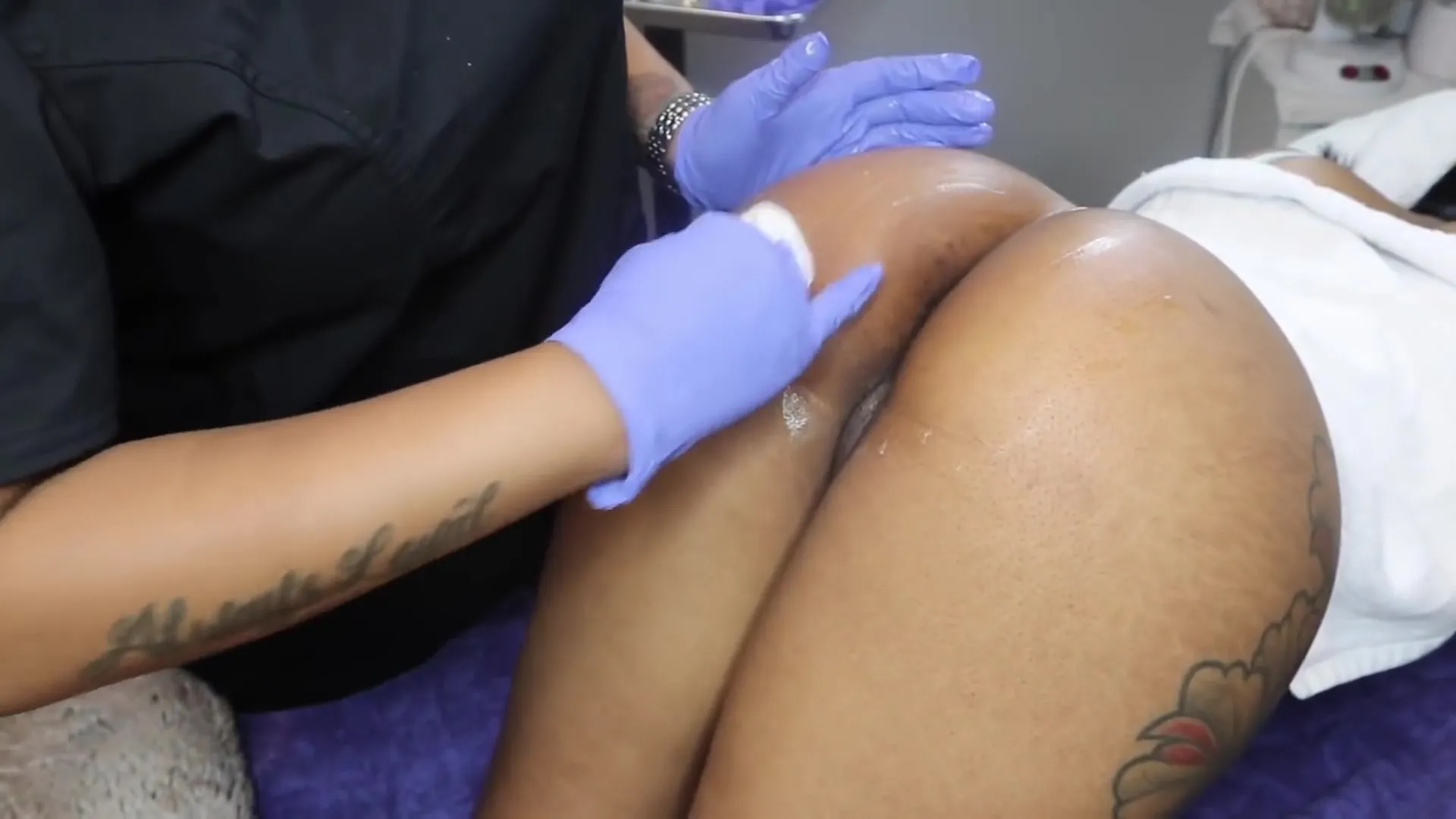
Anal bleaching has gained popularity in recent years as a cosmetic procedure aimed at lightening the skin around the anus. While many people are curious about achieving a more uniform skin tone, questions about safety are common. In this article, we will explore the safety of anal bleaching, potential risks, and who should approach it with caution.
What is Anal Bleaching?
Anal bleaching is a cosmetic treatment designed to lighten the skin around the anus. The procedure can involve topical creams, chemical peels, or laser treatments. Many people seek anal bleaching for aesthetic reasons, increased confidence, or to improve personal hygiene perceptions.
Potential Risks of Anal Bleaching
While anal bleaching is generally considered safe for some individuals, it comes with risks:
- Skin Irritation: The chemicals used in bleaching creams can cause redness, itching, or burning.
- Allergic Reactions: Some people may be sensitive to bleaching agents, leading to rashes or swelling.
- Infection Risk: Improper application or hygiene during the procedure can increase the risk of infections.
- Hyperpigmentation or Hypopigmentation: Overuse of bleaching agents may result in uneven skin color, either too light or darker than before.
Who Should Be Cautious?
Not everyone is a suitable candidate for anal bleaching. People with certain conditions or sensitivities should consult a professional before attempting it:
- Individuals with sensitive or broken skin
- Those with skin conditions like eczema or psoriasis
- Pregnant or breastfeeding individuals
- Anyone with a history of allergic reactions to skincare products
Is Anal Bleaching Safe for Everyone?
The short answer is no, anal bleaching is not safe for everyone. While many people undergo the procedure without complications, others may experience irritation or allergic reactions. It is crucial to perform a patch test before applying any bleaching cream and to consult a dermatologist if there are any concerns.
Tips for Safe Anal Bleaching
To minimize risks, consider these safety tips:
- Use professional services: Certified clinics offer safer procedures than DIY methods.
- Patch test first: Apply a small amount of cream to check for reactions.
- Follow instructions carefully: Overuse can damage delicate skin.
- Maintain hygiene: Cleanliness before and after treatment reduces infection risk.
Conclusion
Anal bleaching can be a safe cosmetic procedure for some, but it is not safe for everyone. Understanding the potential risks, performing a patch test, and consulting a professional are essential steps to ensure safety. If you have sensitive skin or pre-existing conditions, it’s better to proceed with caution or explore alternative cosmetic options.