

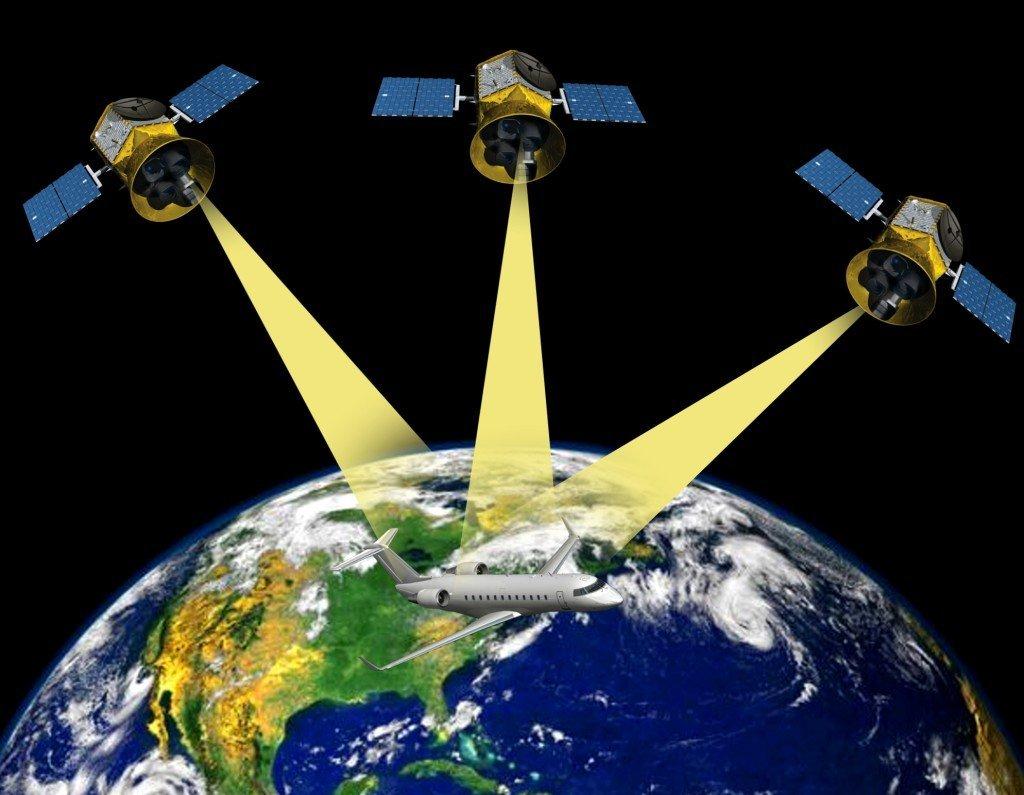
Global Navigation Satellite System (GNSS) technology has become an essential tool in disaster management and response. By providing accurate location data in real-time, GNSS system support emergency responders, help mitigate the impacts of disasters, and ultimately save lives. This article explores how GNSS technology is revolutionizing disaster management and enhancing response efforts.
What Is GNSS Technology?
GNSS refers to a satellite-based navigation system that provides precise location and time information anywhere on Earth. It includes systems such as GPS (Global Positioning System), Galileo, GLONASS, and BeiDou. GNSS technology has been widely used in various sectors, including navigation, agriculture, and logistics, but its role in disaster management is becoming increasingly vital.
Enhancing Disaster Monitoring and Early Warning Systems
One of the key ways GNSS technology is improving disaster management is through its ability to monitor disaster-prone areas in real-time. By tracking the movement of tectonic plates, monitoring sea levels, and detecting atmospheric changes, GNSS is instrumental in the early detection of natural hazards.
For example, during an earthquake, GNSS networks can provide real-time data on ground displacement, which helps in assessing the earthquake’s magnitude and potential impact. This data feeds into early warning systems that allow authorities to issue alerts for evacuation or other precautionary measures. Similarly, GNSS sensors are used to track weather patterns, such as cyclones and storms, offering valuable time to prepare and respond effectively.
Improving Search and Rescue Operations
In disaster response scenarios, the ability to quickly locate and assist victims is critical. GNSS technology significantly enhances search and rescue (SAR) operations by providing precise positioning data. Emergency responders equipped with GNSS-enabled devices can pinpoint locations more quickly and accurately, even in challenging conditions like dense forests, mountain ranges, or areas with poor infrastructure.
For example, in the aftermath of a major earthquake or flood, first responders can use GNSS technology to map out the affected area, locate survivors, and prioritize rescue efforts. This reduces the time it takes to reach victims and ensures that help arrives in a more efficient and organized manner.
Supporting Post-Disaster Recovery and Reconstruction
After a disaster strikes, the recovery process begins. GNSS technology plays a significant role in post-disaster recovery efforts by providing accurate geospatial data that aids in assessing damage, planning reconstruction, and managing resources.
Using GNSS, officials can create detailed maps of affected regions to assess the extent of the damage. This information is crucial for determining where resources, such as food, water, medical supplies, and personnel, are most needed. Additionally, GNSS technology is instrumental in rebuilding infrastructure by helping surveyors accurately measure land and provide guidance for new construction projects.
Coordination and Communication Among Responders
Effective disaster management requires seamless coordination between various agencies, including emergency responders, local governments, and humanitarian organizations. GNSS technology supports this coordination by providing a shared framework for geographic information, enabling different organizations to work together more efficiently.
For instance, by using GNSS-equipped communication devices, first responders can share their precise locations and movements with other units. This ensures that everyone is on the same page, minimizing confusion and optimizing response efforts. GNSS data also allows agencies to track the distribution of aid and ensure that supplies reach the most affected areas.
Conclusion
In conclusion, GNSS technology is revolutionizing disaster management and response by providing real-time, accurate location data that enhances monitoring, response, and recovery efforts. From early warning systems to search and rescue operations and post-disaster recovery, GNSS is helping save lives and reduce the impact of natural disasters. As technology continues to evolve, its role in disaster management will only grow, making it an indispensable tool for emergency responders and disaster management professionals worldwide.